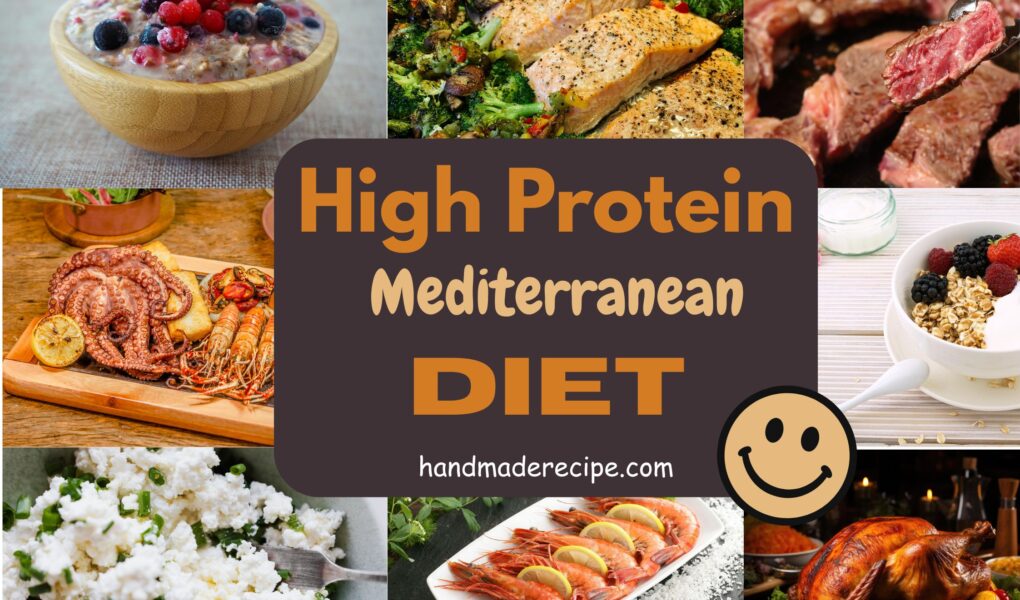
High Protein Mediterranean Diet
Introduction
The high protein Mediterranean diet combines the well-known health benefits of the traditional Mediterranean eating pattern with increased protein intake to support muscle growth, weight management, healthy aging, and long-lasting energy. Instead of relying on processed foods or restrictive eating plans, this approach focuses on wholesome, nutrient-dense ingredients that naturally provide high-quality protein, healthy fats, fiber, vitamins, and minerals.
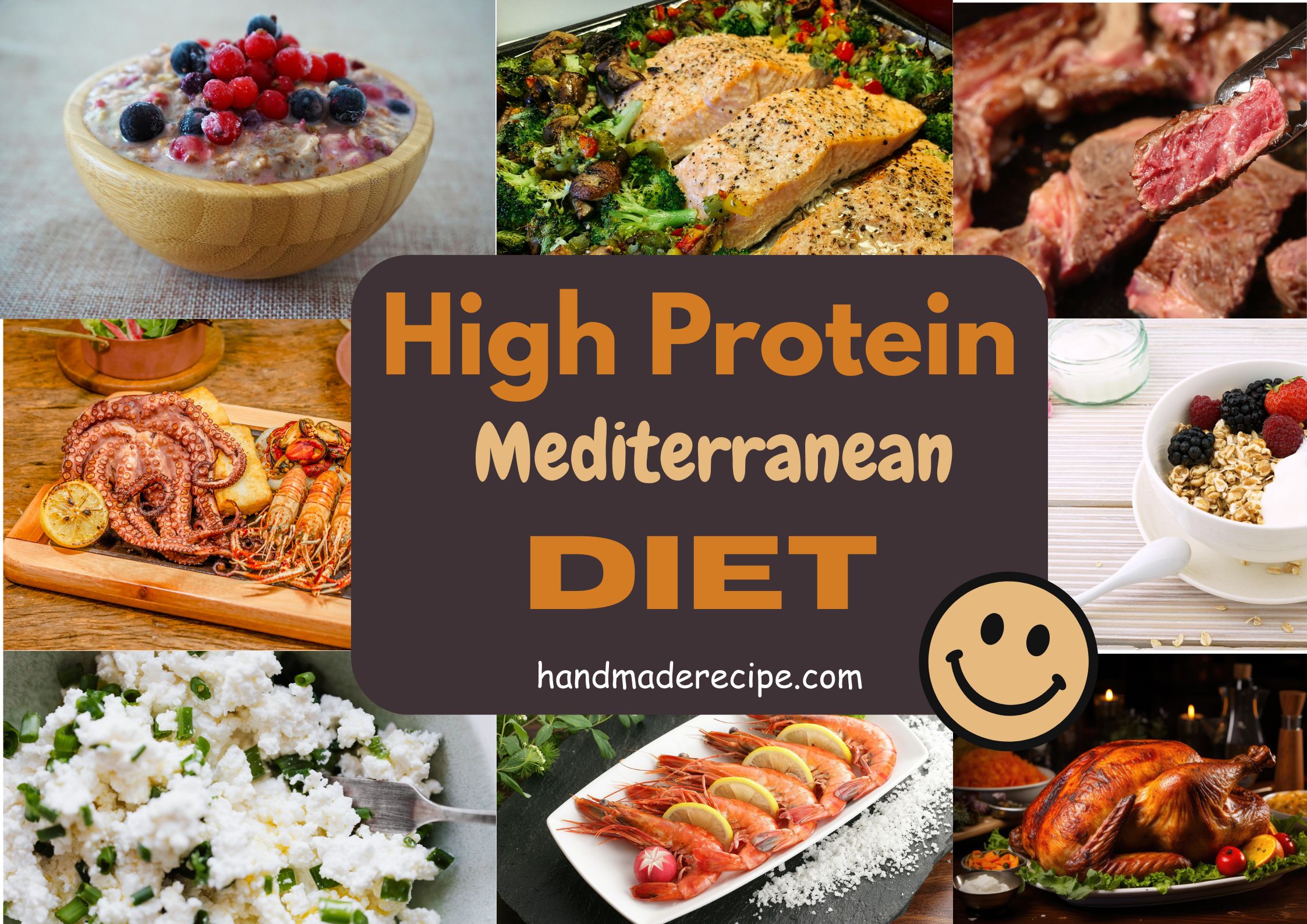
For decades, the Mediterranean diet has consistently ranked among the healthiest diets in the world because it emphasizes fresh vegetables, fruits, whole grains, legumes, seafood, olive oil, nuts, seeds, and moderate amounts of dairy and lean meats. When additional protein-rich foods are incorporated into these meals, the result is a balanced eating pattern that supports a wide range of health goals without sacrificing flavor or variety.
Whether your goal is losing weight, building lean muscle, maintaining energy throughout the day, or simply improving your overall health, following a high protein Mediterranean diet can help you reach those objectives while enjoying satisfying meals made from fresh, natural ingredients.
Unlike many fad diets that eliminate entire food groups or require expensive supplements, this eating style encourages sustainable habits that fit into everyday life. Meals are colorful, delicious, and rich in nutrients, making it easier to stay consistent over the long term.
What Is a High Protein Mediterranean Diet?
A high protein Mediterranean diet is a variation of the traditional Mediterranean diet that increases daily protein intake while maintaining the core principles of Mediterranean eating.
Instead of dramatically reducing carbohydrates or consuming excessive amounts of meat, this diet focuses on balancing every meal with high-quality protein sources alongside vegetables, healthy fats, and complex carbohydrates.
A typical meal may include:
Grilled salmon with roasted vegetables and quinoa
Greek yogurt topped with berries and walnuts
Chickpea salad with grilled chicken and olive oil dressing
Egg and spinach omelet served with whole-grain toast
Lentil soup paired with grilled fish
The emphasis remains on whole, minimally processed foods while ensuring that each meal contains enough protein to promote fullness, support muscle maintenance, and stabilize energy levels.
How Is It Different From the Traditional Mediterranean Diet?
The traditional Mediterranean diet naturally includes protein, but protein is not usually the primary focus. Instead, it emphasizes overall dietary balance and healthy eating habits.
The high protein Mediterranean diet simply adjusts the proportions by increasing foods that naturally contain protein while preserving the same healthy foundation.
For example:
Traditional Mediterranean meals might include:
Pasta with vegetables
Bread with olive oil
Bean soup
Fresh fruit
Cheese in moderation
A higher-protein version may instead feature:
Grilled chicken over quinoa and vegetables
Greek yogurt with nuts
Salmon with roasted broccoli
Cottage cheese and berries
Lentils paired with grilled shrimp
This adjustment helps individuals meet higher protein needs without giving up the heart-healthy benefits associated with Mediterranean eating.
Why Protein Matters
Protein is one of the three essential macronutrients your body needs every day. It plays an important role in almost every bodily function.
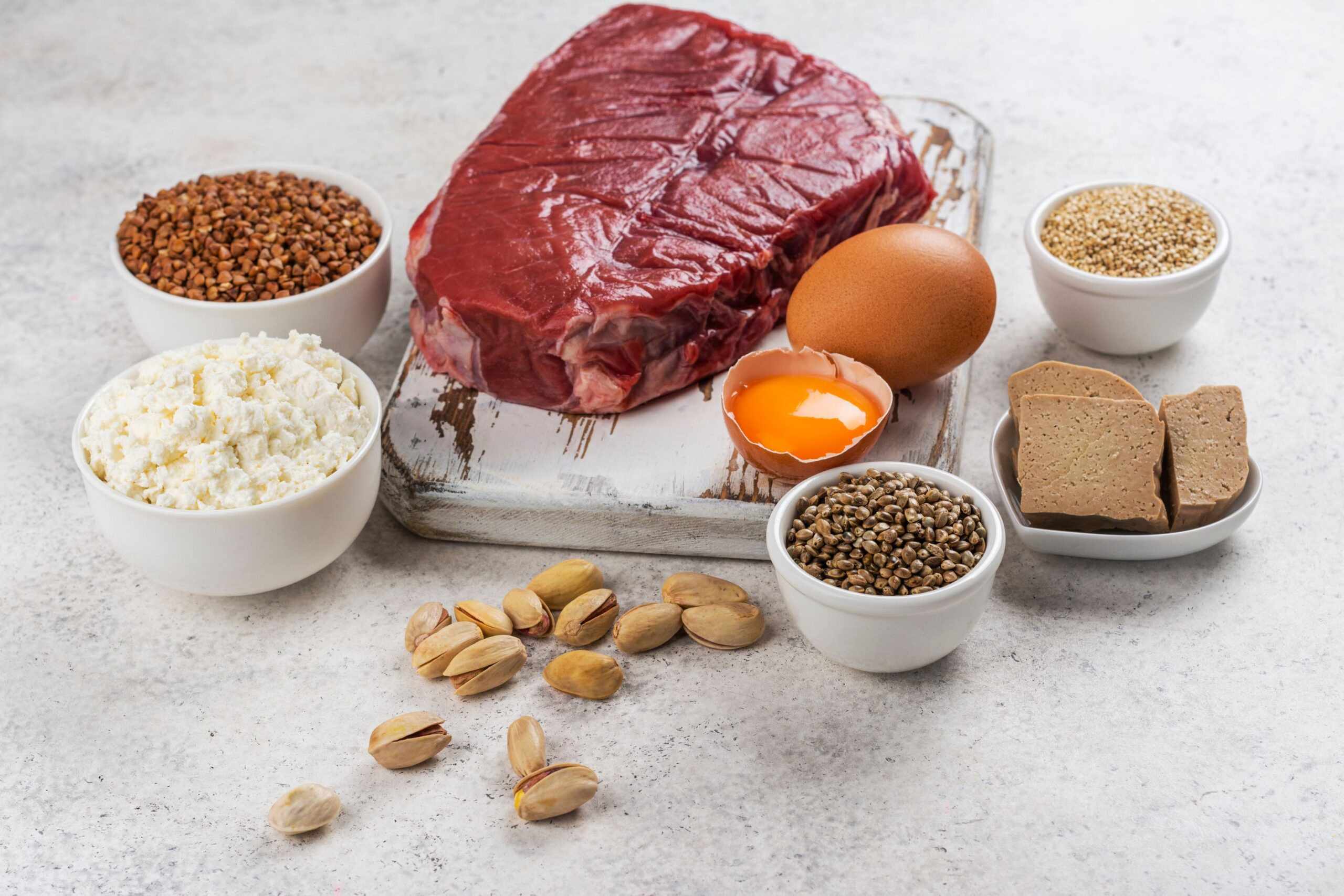
Protein helps:
Build and repair muscles
Maintain healthy bones
Support immune function
Produce enzymes and hormones
Promote healthy skin, hair, and nails
Keep you feeling full after meals
Reduce cravings between meals
Support metabolism
Unlike refined carbohydrates that may leave you hungry shortly after eating, protein digests more slowly, providing longer-lasting satisfaction and helping regulate appetite throughout the day.
This is one reason why many people find a high protein Mediterranean diet easier to follow than restrictive low-calorie eating plans.
Health Benefits of a High Protein Mediterranean Diet
Following a high protein Mediterranean diet can provide numerous health benefits that extend well beyond weight management. The combination of lean protein, healthy fats, fiber-rich foods, and antioxidant-packed vegetables supports nearly every system in the body.
Supports Healthy Weight Loss
One of the biggest advantages of eating more protein is improved satiety. Protein helps you stay full longer, making it easier to reduce unnecessary snacking and overeating.
Because Mediterranean meals are naturally rich in fiber and healthy fats, combining them with additional protein creates satisfying meals that may help reduce overall calorie intake without leaving you feeling deprived.
People often find it easier to maintain a healthy weight because meals are filling, enjoyable, and nutritionally balanced.
Helps Preserve Lean Muscle
As people age or lose weight, they often lose muscle along with body fat. Eating adequate protein helps reduce muscle loss while supporting strength and mobility.
When paired with resistance training or regular physical activity, the high protein Mediterranean diet provides the nutrients needed for muscle repair and growth.
Maintaining muscle mass is important for:
Better metabolism
Improved balance
Stronger bones
Increased strength
Healthy aging
Supports Heart Health
The Mediterranean diet has long been associated with cardiovascular health. Olive oil, nuts, fish, legumes, fruits, and vegetables provide healthy fats and antioxidants that support normal heart function.
Choosing lean protein sources like fish, poultry, beans, and low-fat dairy instead of processed meats can further contribute to a heart-friendly eating pattern.
Fatty fish such as salmon, sardines, and trout also provide omega-3 fatty acids, which support overall cardiovascular wellness.
Helps Stabilize Blood Sugar
Meals that combine protein, healthy fats, and fiber digest more slowly than meals high in refined carbohydrates.
This slower digestion can help reduce rapid spikes and crashes in blood sugar levels, promoting more consistent energy throughout the day.
Including protein at every meal may also help reduce cravings for sugary snacks between meals.
Supports Healthy Aging
Maintaining muscle strength becomes increasingly important with age.
Older adults naturally lose muscle over time, but consuming enough protein alongside nutrient-rich Mediterranean foods may help support mobility, independence, and overall quality of life.
Additionally, antioxidant-rich fruits and vegetables help protect cells from oxidative stress while healthy fats support brain function.
Encourages Sustainable Eating Habits
Unlike many restrictive diets, the high protein Mediterranean diet allows flexibility.
There are no forbidden foods, complicated rules, or expensive meal replacements.
Instead, it encourages:
Fresh ingredients
Home-cooked meals
Balanced portions
Mindful eating
Long-term healthy habits
Because it includes a wide variety of flavorful foods, many people find it easier to follow for years rather than weeks.
Key Principles of a High Protein Mediterranean Diet
Understanding the basic principles makes it much easier to build balanced meals every day.
Prioritize High-Quality Protein
Choose protein from whole food sources whenever possible.
Examples include:
Fish
Chicken breast
Turkey
Eggs
Greek yogurt
Cottage cheese
Lentils
Chickpeas
Beans
Tofu
Tempeh
Seafood
Aim to include protein in every meal and snack.
Fill Half Your Plate with Vegetables
Mediterranean eating places vegetables at the center of nearly every meal.
Choose colorful vegetables such as:
Spinach
Broccoli
Bell peppers
Tomatoes
Cucumbers
Zucchini
Eggplant
Cauliflower
Kale
Carrots
Different colors provide different vitamins, minerals, and antioxidants.
Choose Healthy Fats
Healthy fats are a defining feature of Mediterranean eating.
Instead of butter or highly processed oils, choose:
Extra virgin olive oil
Avocados
Walnuts
Almonds
Pistachios
Pumpkin seeds
Chia seeds
Flaxseeds
These foods provide healthy unsaturated fats that support heart and brain health.
Include Whole Grains
Rather than eliminating carbohydrates, the high protein Mediterranean diet focuses on nutrient-rich complex carbohydrates.
Examples include:
Quinoa
Brown rice
Whole wheat bread
Barley
Oats
Farro
Bulgur
Whole grain pasta
Whole grains provide fiber that supports digestion and helps maintain steady energy levels.
Eat Legumes Regularly
Beans and lentils are nutritional powerhouses.
They provide:
Protein
Fiber
Iron
Magnesium
Potassium
Excellent options include:
Lentils
Chickpeas
Black beans
Kidney beans
Cannellini beans
These foods help increase protein intake while supporting digestive health.
Limit Highly Processed Foods
The Mediterranean lifestyle encourages choosing foods that are as close to their natural state as possible.
Limit foods such as:
Sugary beverages
Processed snacks
Fast food
Packaged desserts
Refined grains
Processed meats
Fried foods
Replacing these items with fresh ingredients can significantly improve the overall nutritional quality of your diet.
Who Can Benefit from a High Protein Mediterranean Diet?
This eating pattern is suitable for many different lifestyles and health goals.
It may be especially beneficial for:
Adults trying to lose weight
Individuals building or maintaining muscle
Active people with higher protein needs
Older adults looking to preserve muscle mass
Busy professionals seeking filling meals
Families wanting healthier eating habits
People interested in long-term heart health
Individuals aiming to improve overall nutrition
Because it emphasizes balanced, nutrient-rich foods rather than extreme restrictions, it can often be adapted to personal preferences, cultural cuisines, and different activity levels.
Why This Diet Is Easy to Maintain?
One reason many diets fail is that they rely on unrealistic rules or eliminate favorite foods entirely. In contrast, the high protein Mediterranean diet encourages flexibility, making it easier to enjoy meals while still meeting your nutrition goals.
You can prepare simple dishes using ingredients available at most grocery stores, mix and match protein sources throughout the week, and adjust portion sizes based on your activity level. This balanced approach helps create healthy habits that are practical for everyday life rather than short-term dieting.
Best Foods to Eat on a High Protein Mediterranean Diet
A successful High protein Mediterranean diet is built around nutrient-dense whole foods that naturally provide protein, healthy fats, fiber, vitamins, and minerals. Instead of depending on processed protein products, this eating pattern focuses on fresh ingredients that nourish your body while helping you stay full and energized.
The beauty of a High protein Mediterranean diet is that you can create countless delicious meals by combining lean protein, colorful vegetables, whole grains, healthy fats, and legumes. Every food group plays an important role, making this eating style balanced, satisfying, and sustainable.
Why Food Quality Matters in a High Protein Mediterranean Diet
One of the biggest differences between a High protein Mediterranean diet and many high-protein diets is the emphasis on food quality. Rather than eating large amounts of processed meats or protein bars, this approach encourages whole, minimally processed foods that provide additional nutrients beyond protein.
A High protein Mediterranean diet is not just about eating more protein—it is about choosing protein sources that also support heart health, digestion, and overall wellness. Fresh seafood, lean poultry, legumes, Greek yogurt, eggs, and nuts all contribute valuable nutrients that help your body function at its best.
Best Lean Protein Sources
Protein is the foundation of a High protein Mediterranean diet. Including a quality protein source at every meal helps maintain muscle, supports metabolism, and keeps you feeling satisfied for longer.
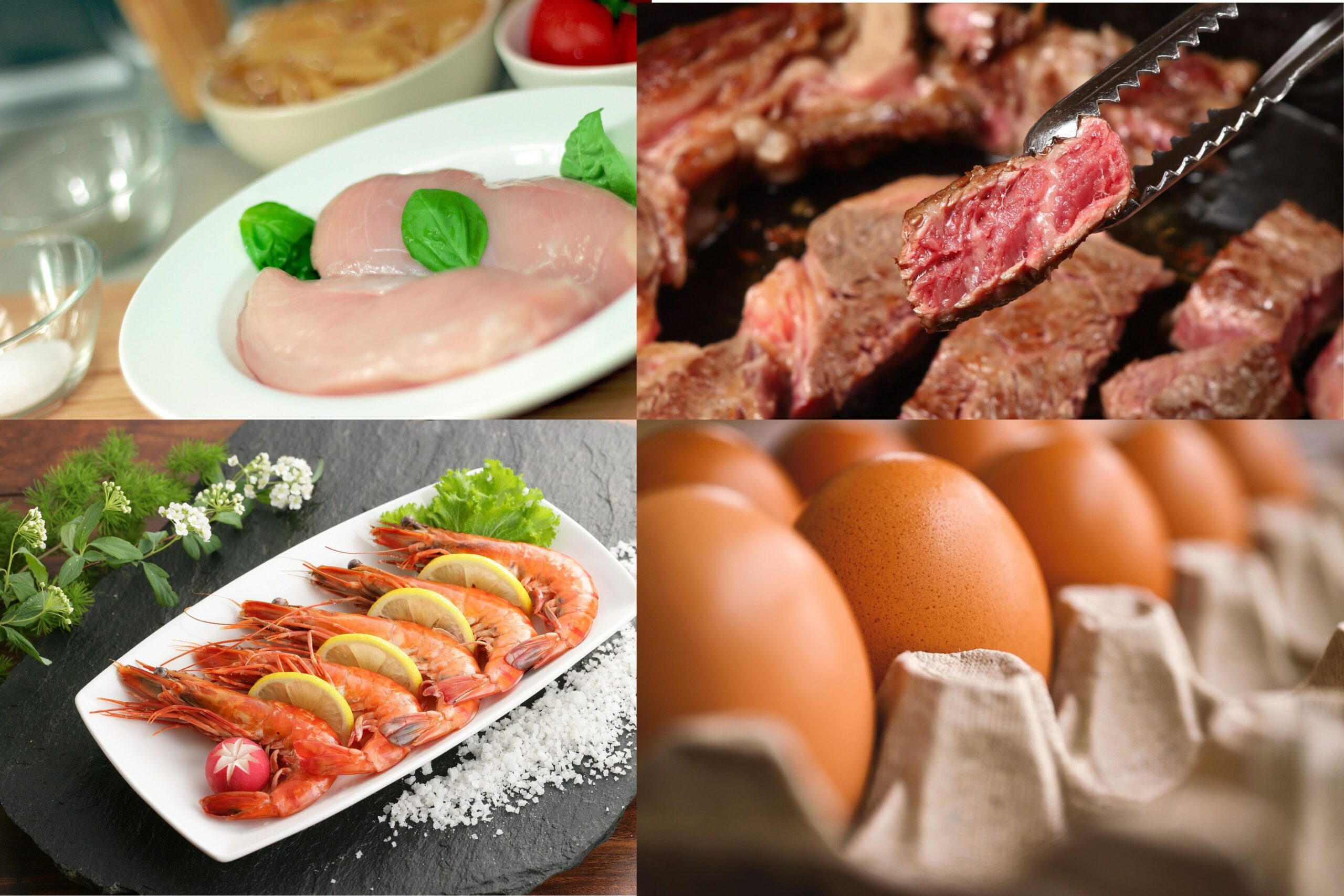
Chicken Breast
Chicken breast is one of the most popular foods in a High protein Mediterranean diet because it is lean, versatile, and rich in complete protein.
Benefits include:
High-quality protein
Low saturated fat
Rich in B vitamins
Supports muscle maintenance
Easy to prepare in many ways
Grilled chicken pairs well with vegetables, quinoa, whole grains, salads, and roasted Mediterranean vegetables.
Turkey
Turkey is another excellent addition to a High protein Mediterranean diet. It contains plenty of protein while remaining relatively low in fat.
Turkey works well in:
Salads
Whole-grain wraps
Homemade meatballs
Soups
Grain bowls
Fresh turkey is generally a better choice than highly processed deli meats.
Eggs
Eggs provide complete protein along with important nutrients like choline, vitamin D, selenium, and vitamin B12.
Within a High protein Mediterranean diet, eggs can be enjoyed:
Boiled
Scrambled
Poached
Omelets with vegetables
Frittatas
Pairing eggs with spinach, tomatoes, mushrooms, and olive oil creates a nutritious Mediterranean-style breakfast.
Lean Beef
Although red meat is eaten less frequently in a High protein Mediterranean diet, lean cuts of beef can still fit into a balanced eating pattern when enjoyed in moderation.
Choose:
Sirloin
Eye of round
Top round
Lean ground beef
Keep portions moderate and combine beef with vegetables rather than refined carbohydrates.
Seafood: A Mediterranean Protein Superstar
Seafood is one of the defining features of a High protein Mediterranean diet because it provides high-quality protein while supplying heart-healthy omega-3 fatty acids.
Experts often recommend eating seafood several times each week as part of a balanced Mediterranean eating pattern.
Salmon
Salmon is among the healthiest foods included in a High protein Mediterranean diet.
It provides:
Complete protein
Omega-3 fatty acids
Vitamin D
Selenium
Potassium
Salmon can be grilled, baked, roasted, or added to salads.
Tuna
Fresh or canned tuna offers a convenient way to increase protein intake.
Tuna is ideal for:
Mediterranean salads
Whole-grain sandwiches
Stuffed tomatoes
Grain bowls
Choose tuna packed in water whenever possible.
Sardines
Sardines are often overlooked despite being one of the most nutritious foods in a High protein Mediterranean diet.
They provide:
Protein
Calcium
Vitamin D
Omega-3 fats
Iron
They pair well with whole-grain crackers, fresh vegetables, and salads.
Shrimp
Shrimp is naturally high in protein while remaining low in calories.
Popular serving ideas include:
Shrimp pasta with olive oil
Shrimp salad
Grilled shrimp skewers
Mediterranean shrimp bowls
Cod
Cod has a mild flavor and lean protein content, making it a great option for people who want lighter seafood meals.
Serve baked cod with roasted vegetables and brown rice for a balanced High protein Mediterranean diet dinner.
Greek Yogurt: A Mediterranean Favorite
Greek yogurt is one of the best dairy foods in a High protein Mediterranean diet because it contains significantly more protein than regular yogurt.
It also supplies:
Calcium
Probiotics
Potassium
Vitamin B12
Healthy serving ideas include:
Greek yogurt with berries
Greek yogurt with walnuts
Smoothies
Yogurt-based dips
Breakfast parfaits
Choose plain Greek yogurt instead of flavored varieties with added sugar.
Cottage Cheese
Although not traditionally Mediterranean, cottage cheese fits well into a modern High protein Mediterranean diet because it is rich in protein and low in calories.
Pair cottage cheese with:
Tomatoes
Cucumbers
Olive oil
Herbs
Fresh fruit
It makes an excellent snack or light breakfast.
Cheese in Moderation
Cheese can certainly be enjoyed within a High protein Mediterranean diet, but portion control remains important.
Better choices include:
Feta
Parmesan
Mozzarella
Ricotta
These cheeses add flavor without requiring large portions.
Legumes: Plant-Based Protein Powerhouses
Legumes are central to every High protein Mediterranean diet because they provide both protein and fiber.
Unlike animal protein, legumes also contain complex carbohydrates that support digestive health and sustained energy.
Lentils
Lentils are among the most nutritious foods available.
They provide:
Protein
Fiber
Iron
Folate
Magnesium
Lentils work well in:
Soups
Salads
Stews
Grain bowls
Chickpeas
Chickpeas are another staple of a High protein Mediterranean diet.
Popular ways to enjoy them include:
Hummus
Roasted chickpeas
Salads
Curry
Mediterranean bowls
Black Beans
Black beans provide plant protein alongside fiber and antioxidants.
Use them in:
Salads
Rice bowls
Soups
Stuffed peppers
Kidney Beans
Kidney beans are filling, nutritious, and affordable.
They pair well with vegetables, olive oil, herbs, and whole grains.
Nuts and Seeds
Healthy fats are an important component of a High protein Mediterranean diet, and nuts and seeds provide both protein and heart-friendly unsaturated fats.
Excellent choices include:
Almonds
Walnuts
Pistachios
Pumpkin seeds
Sunflower seeds
Chia seeds
Flaxseeds
Enjoy moderate portions since nuts are calorie-dense.
Healthy Fats
Unlike low-fat diets, a High protein Mediterranean diet embraces healthy fats because they support hormone production, brain health, and nutrient absorption.
Extra Virgin Olive Oil
Olive oil is the cornerstone of Mediterranean eating.
Benefits include:
Healthy monounsaturated fats
Antioxidants
Rich flavor
Supports heart health
Use it for:
Salad dressings
Roasted vegetables
Marinades
Cooking
Avocados
Avocados supply:
Healthy fats
Potassium
Fiber
Vitamins
Slice them onto salads, sandwiches, grain bowls, or enjoy them with eggs.
Whole Grains
Whole grains provide lasting energy and complement the protein-rich foods found in a High protein Mediterranean diet.
Excellent options include:
Brown rice
Quinoa
Bulgur
Farro
Barley
Whole wheat pasta
Oats
These grains contain more nutrients and fiber than refined grains.
Fruits and Vegetables
A colorful variety of fruits and vegetables completes every High protein Mediterranean diet.
Vegetables should fill roughly half your plate.
Excellent vegetables include:
Broccoli
Spinach
Tomatoes
Cucumbers
Bell peppers
Zucchini
Eggplant
Kale
Cauliflower
Carrots
Healthy fruits include:
Berries
Apples
Oranges
Grapes
Figs
Pomegranates
Peaches
These foods provide antioxidants that support immune function and overall health.
Building the Perfect High Protein Mediterranean Diet Plate
Creating balanced meals is simple when you follow this basic formula:
¼ plate: Lean protein (fish, chicken, turkey, eggs, legumes)
½ plate: Colorful vegetables
¼ plate: Whole grains or legumes
Healthy fat: Olive oil, avocado, nuts, or seeds
Optional: Fresh fruit or plain Greek yogurt for dessert
Using this method makes it easy to enjoy a satisfying High protein Mediterranean diet while meeting your protein needs and maintaining balanced nutrition.
Foods to Limit
Even though a High protein Mediterranean diet is flexible, some foods should only be eaten occasionally:
Sugary drinks
Candy
Processed meats
Deep-fried foods
White bread
Refined pastries
Chips
Highly processed frozen meals
Excess added sugar
Trans fats
Replacing these foods with whole, minimally processed ingredients helps maximize the health benefits of a High protein Mediterranean diet.
High Protein Mediterranean Diet Meal
Following a High Protein Mediterranean Diet becomes much easier when you have simple meal ideas and a practical plan. One of the biggest advantages of this eating style is its flexibility. You can mix lean proteins, fresh vegetables, whole grains, healthy fats, and herbs to create countless delicious meals without getting bored.
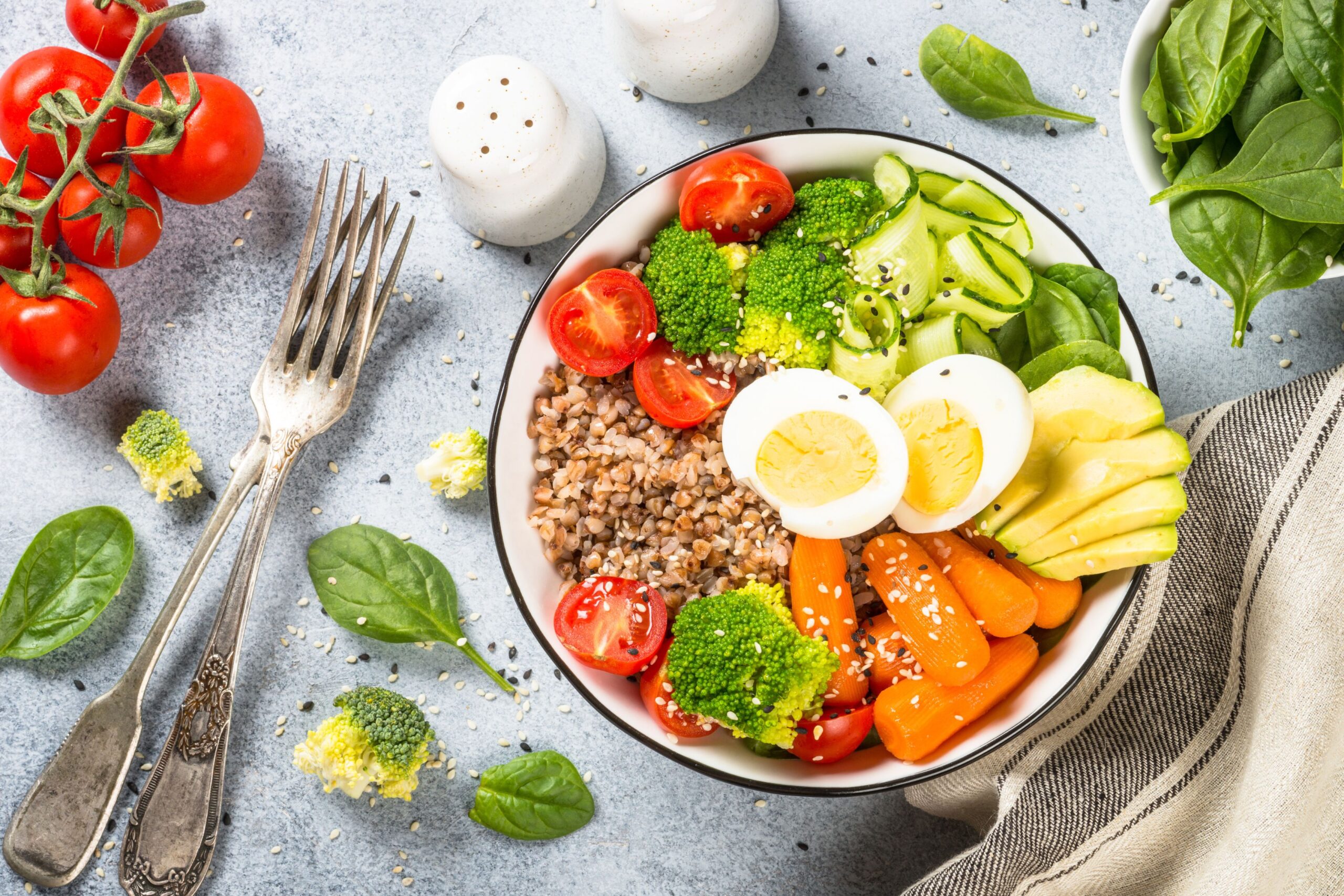
Unlike restrictive diets that require complicated recipes, a High Protein Mediterranean Diet focuses on everyday ingredients that are easy to prepare. Whether you’re cooking for yourself or your family, these meal ideas can help you stay on track while enjoying nutritious and satisfying food.
High-Protein Mediterranean Breakfast Ideas
Breakfast provides the energy needed to start your day. A balanced breakfast in a High Protein Mediterranean Diet should include protein, healthy fats, and fiber to keep you feeling full until lunch.
1. Greek Yogurt Berry Bowl
Ingredients:
Plain Greek yogurt
Fresh blueberries
Strawberries
Chopped walnuts
Chia seeds
Cinnamon
Why it’s great:
Rich in protein
High in probiotics
Packed with antioxidants
Supports digestive health
2. Mediterranean Vegetable Omelet
Ingredients:
Eggs
Spinach
Tomatoes
Mushrooms
Onion
Feta cheese
Olive oil
Serve with:
Whole-grain toast
Fresh fruit
This breakfast combines complete protein with colorful vegetables, making it an excellent choice for a High Protein Mediterranean Diet.
3. Cottage Cheese Breakfast Bowl
Top cottage cheese with:
Cucumber
Cherry tomatoes
Black pepper
Olive oil
Fresh herbs
Serve alongside a slice of whole-grain bread for extra fiber.
4. Overnight Oats with Protein
Ingredients:
Rolled oats
Greek yogurt
Chia seeds
Almond milk
Mixed berries
Almonds
Prepare the night before for a quick morning meal.
High-Protein Mediterranean Lunch Ideas
Lunch should provide enough protein and fiber to keep your energy levels steady throughout the afternoon.
Grilled Chicken Mediterranean Salad
Ingredients:
Grilled chicken breast
Mixed greens
Cucumbers
Tomatoes
Red onion
Olives
Feta cheese
Olive oil
Lemon juice
Benefits:
High protein
Healthy fats
Rich in vitamins
Easy to prepare
This colorful salad is a perfect example of a balanced High Protein Mediterranean Diet lunch.
Tuna Quinoa Bowl
Ingredients:
Tuna
Cooked quinoa
Bell peppers
Cucumbers
Tomatoes
Parsley
Olive oil
Lemon dressing
This meal provides complete protein and slow-digesting carbohydrates.
Lentil Soup
A hearty lentil soup made with:
Lentils
Carrots
Celery
Onion
Garlic
Tomatoes
Olive oil
Herbs
Serve with whole-grain bread for a filling lunch.
Turkey Wrap
Use:
Whole-grain tortilla
Turkey breast
Lettuce
Tomatoes
Hummus
Cucumbers
This portable lunch works well for busy days.
High-Protein Mediterranean Dinner Ideas
Dinner should include lean protein, vegetables, and complex carbohydrates to complete your daily nutrition goals.
Grilled Salmon with Vegetables
Ingredients:
Salmon fillet
Broccoli
Asparagus
Brown rice
Olive oil
Lemon
Garlic
This classic meal is one of the healthiest choices in a High Protein Mediterranean Diet because it provides protein and heart-healthy omega-3 fats.
Lemon Herb Chicken
Serve grilled chicken with:
Roasted zucchini
Eggplant
Bell peppers
Quinoa
Season with rosemary, oregano, garlic, and lemon.
Shrimp Whole Wheat Pasta
Ingredients:
Shrimp
Whole wheat pasta
Spinach
Tomatoes
Garlic
Olive oil
Parmesan cheese
A lighter pasta dish that remains rich in protein.
Baked Cod
Serve baked cod alongside:
Roasted Brussels sprouts
Sweet potatoes
Fresh herbs
A simple yet nutritious Mediterranean-inspired dinner.
Healthy Mediterranean Snacks
Snacks can help prevent overeating during meals while supporting your daily protein goals.
Healthy snack options include:
Greek yogurt
Cottage cheese
Mixed nuts
Roasted chickpeas
Boiled eggs
Apple with almond butter
Hummus with vegetables
Cheese with whole-grain crackers
Choosing nutrient-rich snacks fits perfectly within a High Protein Mediterranean Diet.
High-Protein Mediterranean Smoothies
Smoothies offer a convenient way to increase protein intake.
Berry Protein Smoothie
Ingredients:
Greek yogurt
Mixed berries
Spinach
Almond milk
Chia seeds
Tropical Protein Smoothie
Ingredients:
Greek yogurt
Mango
Pineapple
Flaxseed
Ice
Green Protein Smoothie
Ingredients:
Spinach
Greek yogurt
Cucumber
Apple
Lemon juice
These smoothies make excellent breakfasts or post-workout snacks.
Easy Meal Prep Tips
Meal preparation makes following a High Protein Mediterranean Diet much easier throughout the week.
Cook Protein in Advance
Prepare larger portions of:
Chicken
Turkey
Salmon
Lentils
Eggs
Store them in airtight containers for quick meals.
Chop Vegetables
Wash and cut vegetables at the beginning of the week.
Store:
Cucumbers
Bell peppers
Broccoli
Carrots
Celery
Tomatoes
Having vegetables ready encourages healthier choices.
Prepare Whole Grains
Cook larger batches of:
Brown rice
Quinoa
Farro
Barley
Refrigerate portions for easy lunches and dinners.
Keep Healthy Snacks Ready
Prepare grab-and-go snacks such as:
Nuts
Greek yogurt
Cottage cheese
Boiled eggs
Fresh fruit
This helps reduce the temptation to choose processed foods.
Sample One-Day High Protein Mediterranean Diet Menu
Breakfast
Greek yogurt with berries
Walnuts
Chia seeds
Morning Snack
Boiled eggs
Apple
Lunch
Grilled chicken salad
Olive oil dressing
Whole-grain bread
Afternoon Snack
Hummus
Carrot sticks
Cucumber slices
Dinner
Baked salmon
Brown rice
Roasted broccoli
Mixed salad
Evening Snack
Cottage cheese
Blueberries
This sample menu demonstrates how easy it is to follow a High Protein Mediterranean Diet while enjoying a variety of nutritious foods.
Tips for Eating Out
Eating at restaurants doesn’t mean you have to abandon your healthy eating habits.
Choose:
Grilled fish
Grilled chicken
Salad with olive oil
Vegetable sides
Whole grains when available
Avoid:
Fried foods
Sugary drinks
Heavy cream sauces
Oversized portions
Simple choices can help you stay consistent with a High Protein Mediterranean Diet even when dining out.
Common Meal Planning Mistakes
Avoid these common mistakes:
Skipping breakfast
Eating too few vegetables
Choosing processed protein
Forgetting healthy fats
Drinking sugary beverages
Eating oversized portions
Not planning meals ahead
Ignoring hydration
Small improvements in planning can make a significant difference in long-term success.
Staying Consistent
The key to success with a High Protein Mediterranean Diet is consistency rather than perfection. Focus on building balanced meals, cooking at home more often, and choosing whole foods whenever possible.

Remember that occasional treats are part of a healthy lifestyle. What matters most is maintaining nutritious habits over time instead of striving for perfection every day.
By preparing meals in advance, keeping healthy ingredients on hand, and experimenting with new Mediterranean recipes, you’ll find that this eating pattern becomes both enjoyable and sustainable.
Health Benefits, Weight Loss, Muscle Building, Common Mistakes, and FAQs About a High Protein Mediterranean Diet
A High Protein Mediterranean Diet is more than just a way of eating—it is a long-term lifestyle that supports overall health. By combining lean protein, healthy fats, whole grains, legumes, fruits, and vegetables, this diet provides balanced nutrition that can help people achieve different health goals.
Whether you want to lose weight, gain muscle, improve heart health, or simply eat healthier, a High Protein Mediterranean Diet offers a flexible and sustainable approach. In this section, we’ll explore its major health benefits, common mistakes to avoid, and answer frequently asked questions.
Can a High Protein Mediterranean Diet Help with Weight Loss?
Many people choose a High Protein Mediterranean Diet because it can support healthy and sustainable weight loss. Unlike crash diets that often leave you feeling hungry, this eating pattern focuses on satisfying meals that help control appetite.
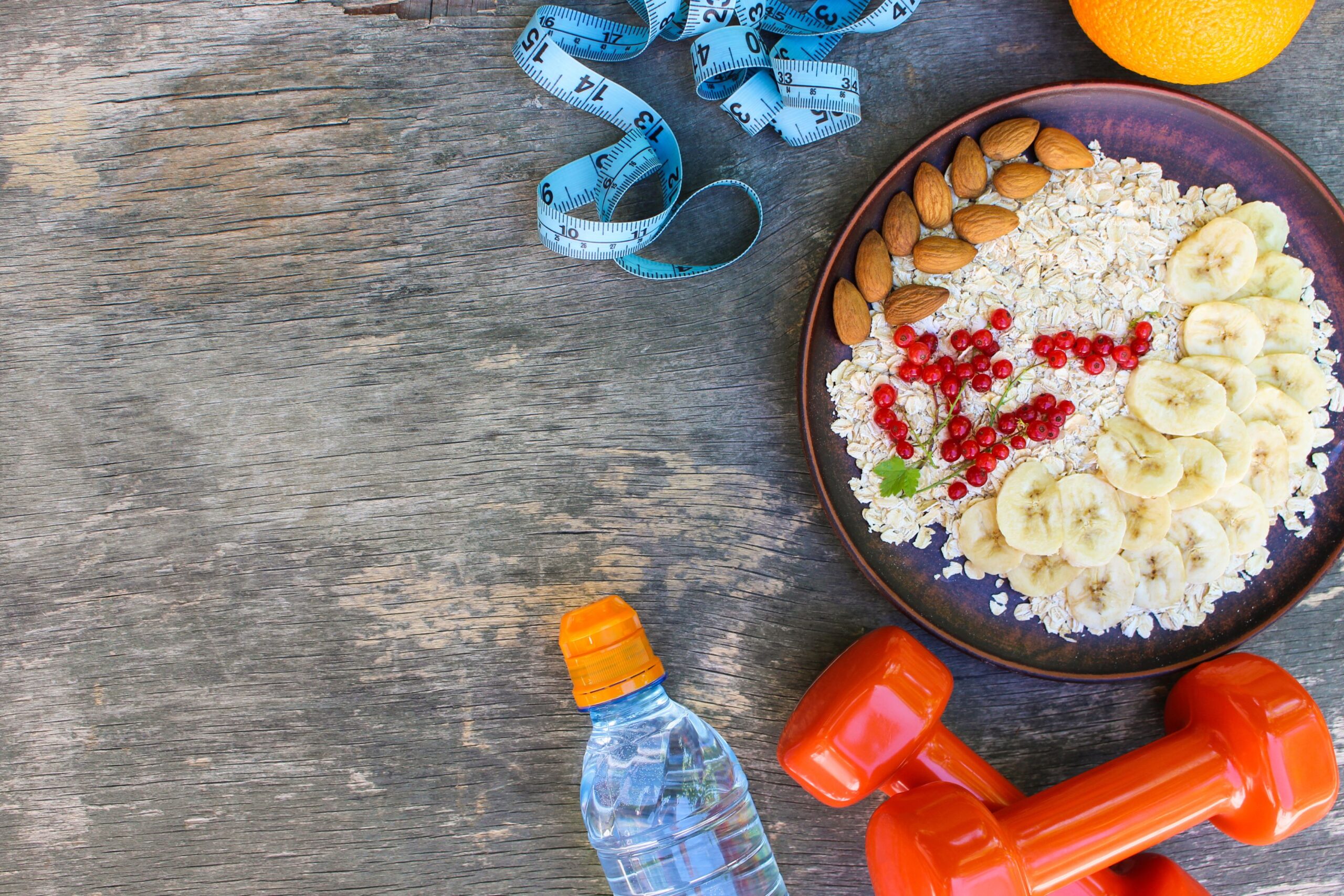
Protein takes longer to digest than refined carbohydrates, helping you feel fuller for longer. When combined with fiber-rich vegetables, legumes, and whole grains, meals become more filling, making it easier to avoid unnecessary snacking.
Why It Supports Weight Loss?
A High Protein Mediterranean Diet may help with weight management by:
Increasing feelings of fullness
Reducing cravings between meals
Supporting lean muscle mass
Encouraging healthier food choices
Reducing consumption of processed foods
Promoting balanced blood sugar levels
Although no single diet guarantees weight loss, maintaining a calorie deficit while following a High Protein Mediterranean Diet can help many people reach their goals in a healthy way.
Building Lean Muscle
Protein is essential for muscle growth and repair. For people who exercise regularly or participate in strength training, a High Protein Mediterranean Diet provides the nutrients needed to support recovery and muscle maintenance.
Best Protein Foods for Muscle Growth
Include foods such as:
Chicken breast
Turkey
Salmon
Tuna
Eggs
Greek yogurt
Cottage cheese
Lentils
Chickpeas
Tofu
Eating protein throughout the day instead of consuming it all in one meal may help maximize muscle protein synthesis.
Supports Heart Health
One reason the Mediterranean eating pattern is widely respected is its connection to heart health. A High Protein Mediterranean Diet continues these benefits by emphasizing heart-friendly foods.
Foods that support cardiovascular wellness include:
Olive oil
Fatty fish
Nuts
Seeds
Whole grains
Beans
Fresh vegetables
Fruits
These foods contain healthy fats, fiber, vitamins, and antioxidants that contribute to overall heart health.
Helps Maintain Healthy Blood Sugar
Balanced meals are one of the strengths of a High Protein Mediterranean Diet. Including protein, healthy fats, and fiber together can slow digestion and help reduce rapid spikes in blood sugar after meals.
Good meal combinations include:
Chicken with vegetables and quinoa
Greek yogurt with berries and nuts
Salmon with roasted broccoli and brown rice
Lentil soup with whole-grain bread
Stable blood sugar levels may also help reduce afternoon energy crashes and cravings.
Supports Healthy Aging
As people grow older, maintaining muscle mass becomes increasingly important. A High Protein Mediterranean Diet supplies the protein needed to preserve muscle while also providing nutrients that support bone and brain health.
Older adults may benefit from:
Improved strength
Better mobility
Healthier bones
Increased independence
Better overall nutrition
Regular physical activity combined with adequate protein intake can further support healthy aging.
Benefits for Active Individuals
Athletes and active adults often require more protein than sedentary individuals. A High Protein Mediterranean Diet can help meet these increased needs while supplying complex carbohydrates for energy and healthy fats for recovery.
Post-workout meals may include:
Grilled chicken with rice
Greek yogurt with fruit
Tuna sandwich on whole-grain bread
Egg omelet with vegetables
Can Vegetarians Follow a High Protein Mediterranean Diet?
Absolutely. A High Protein Mediterranean Diet can easily be adapted for vegetarians by emphasizing plant-based protein sources.
Excellent vegetarian protein options include:
Lentils
Chickpeas
Black beans
Kidney beans
Greek yogurt
Cottage cheese
Eggs
Tofu
Tempeh
Edamame
Nuts
Seeds
Combining different plant foods throughout the day helps provide a wide range of essential nutrients.
Portion Control Matters
Although a High Protein Mediterranean Diet includes many healthy foods, portion sizes still matter. Eating excessive amounts of healthy foods can lead to consuming more calories than your body needs.
A balanced plate typically includes:
Half vegetables
One-quarter lean protein
One-quarter whole grains or legumes
Healthy fat in moderation
Mindful eating and listening to your body’s hunger signals can help prevent overeating.
Hydration Is Important
Water plays an important role in overall health and complements a High Protein Mediterranean Diet. Staying hydrated supports digestion, energy levels, and physical performance.
Tips for staying hydrated:
Drink water throughout the day
Carry a reusable water bottle
Limit sugary beverages
Include water-rich fruits and vegetables
Herbal teas and sparkling water without added sugar can also contribute to daily fluid intake.
Common Mistakes to Avoid
Even a healthy eating plan can become less effective if common mistakes are made. Here are some pitfalls to avoid when following a High Protein Mediterranean Diet.
1. Eating Too Much Protein
More protein isn’t always better. Extremely high protein intake may replace other nutritious foods like vegetables, fruits, and whole grains.
Balance remains the key to a successful High Protein Mediterranean Diet.
2. Ignoring Vegetables
Protein should not replace vegetables.
Vegetables provide:
Fiber
Vitamins
Minerals
Antioxidants
Aim to fill at least half your plate with colorful vegetables at most meals.
3. Choosing Processed Meats
Processed meats like sausages, bacon, and heavily processed deli meats should be limited.
Instead, choose:
Fresh chicken
Turkey
Fish
Eggs
Beans
Lentils
Whole food protein sources are a better fit for a High Protein Mediterranean Diet.
4. Skipping Healthy Fats
Some people mistakenly avoid fats completely.
Healthy fats from:
Olive oil
Avocados
Almonds
Walnuts
Seeds
are an important part of Mediterranean eating and help improve meal satisfaction.
5. Drinking Sugary Beverages
Soft drinks, sweetened coffee drinks, and sugary juices can add unnecessary calories.
Better choices include:
Water
Sparkling water
Unsweetened tea
Black coffee in moderation
6. Not Planning Meals
Meal planning reduces the temptation to choose unhealthy convenience foods.
Simple weekly planning makes following a High Protein Mediterranean Diet much easier.
Lifestyle Tips for Success
Healthy eating works best when combined with other positive lifestyle habits.
Consider:
Exercising regularly
Getting enough sleep
Managing stress
Cooking at home more often
Eating slowly
Sharing meals with family when possible
These habits complement a High Protein Mediterranean Diet and support long-term wellness.
Frequently Asked Questions
Is a High Protein Mediterranean Diet good for beginners?
Yes. It focuses on familiar whole foods and does not require complicated meal plans or expensive supplements.
How much protein should I eat?
Protein needs vary based on age, activity level, body weight, and health goals. Many adults benefit from spreading protein intake evenly throughout the day.
Can I eat bread?
Yes. Choose whole-grain bread whenever possible instead of refined white bread.
Is dairy allowed?
Yes. Greek yogurt, cottage cheese, and moderate amounts of cheese fit well within a High Protein Mediterranean Diet.
Are carbohydrates allowed?
Absolutely. Whole grains, legumes, fruits, and vegetables provide nutritious carbohydrates that supply energy and fiber.
Can I eat snack?
Healthy snacks can be included, such as:
Greek yogurt
Nuts
Fresh fruit
Hummus
Vegetables
Cottage cheese
Boiled eggs
Is this diet expensive?
Not necessarily. Beans, lentils, eggs, oats, frozen vegetables, canned tuna, and seasonal produce make a High Protein Mediterranean Diet affordable for many households.
How long should I follow this diet?
Unlike temporary diets, a High Protein Mediterranean Diet is designed as a long-term eating pattern that can be maintained for years.
Final Thoughts Before Your Meal Plan
One of the greatest strengths of a High Protein Mediterranean Diet is its flexibility. There are no rigid rules or complicated restrictions—just a focus on wholesome, nutrient-rich foods that nourish your body. By including lean proteins, colorful vegetables, whole grains, legumes, healthy fats, and plenty of water, you can build meals that are both satisfying and nutritious.
Combined with regular physical activity, adequate sleep, and mindful eating habits, a High Protein Mediterranean Diet can support healthy weight management, muscle maintenance, heart health, and overall well-being. The next section will bring everything together with a practical 7-day meal plan, shopping list, meal prep ideas, and a conclusion to help you confidently put these principles into action.
7-Day High Protein Mediterranean Diet Meal Plan
Following a High Protein Mediterranean Diet becomes much easier when you have a structured meal plan. While there is no single perfect menu, planning your meals in advance helps you make healthier choices, save time, and stay consistent with your nutrition goals.
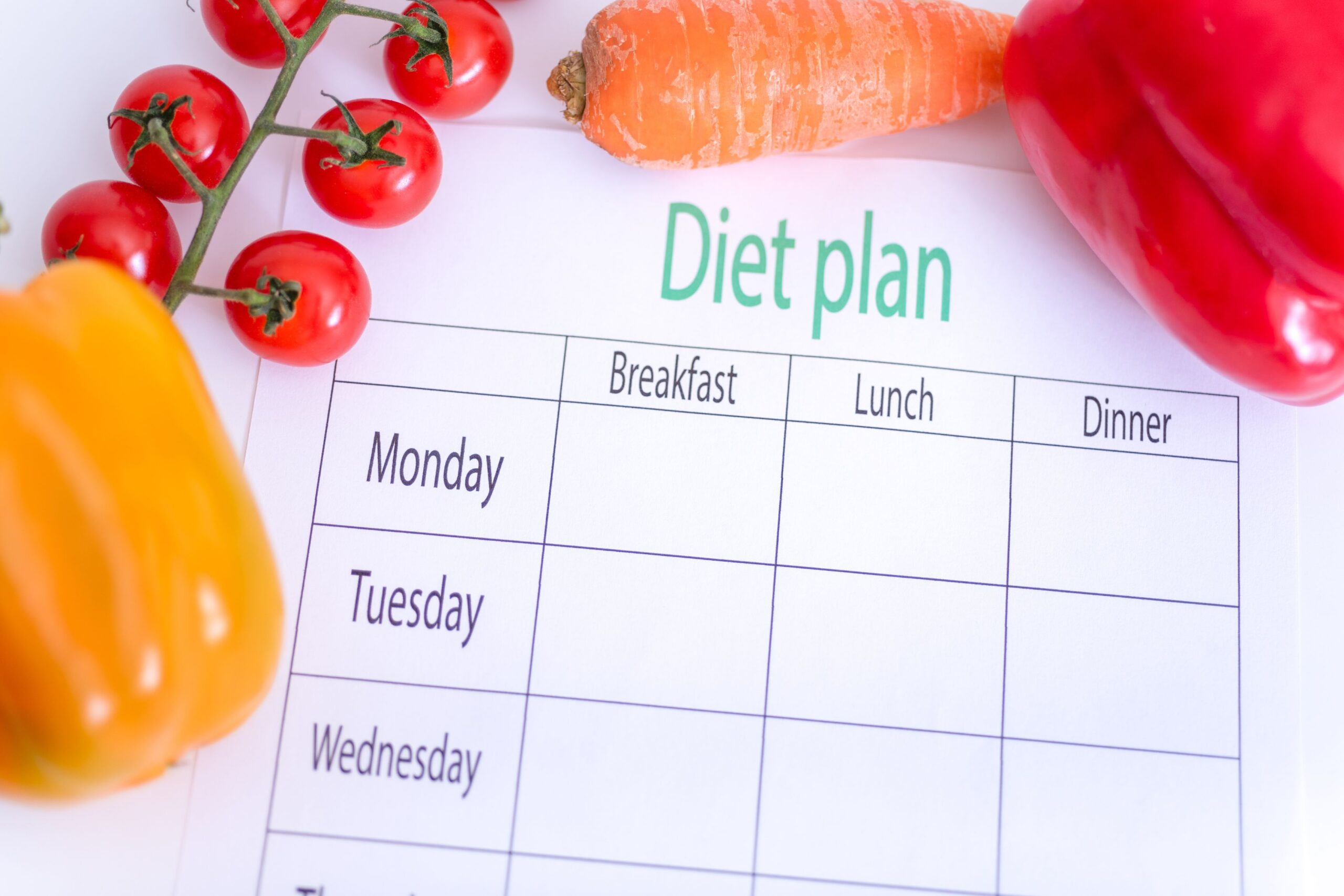
The following 7-day meal plan provides balanced meals that combine lean protein, whole grains, healthy fats, fruits, and vegetables. You can adjust portion sizes according to your age, activity level, and calorie needs while keeping the basic principles of a High Protein Mediterranean Diet the same.
7-Day High Protein Mediterranean Diet Meal Plan
| Day | Breakfast | Morning Snack | Lunch | Afternoon Snack | Dinner |
| Day 1 | Greek yogurt with blueberries, walnuts, & chia seeds | Boiled eggs | Grilled chicken breast, quinoa, & mixed green salad with olive oil | Apple with almonds | Baked salmon, roasted broccoli, & brown rice |
| Day 2 | Vegetable omelet with spinach, tomatoes, & feta cheese | Cottage cheese with cucumber slices | Turkey & avocado whole-grain wrap | Mixed nuts | Grilled shrimp, whole wheat pasta, & steamed vegetables |
| Day 3 | Overnight oats with Greek yogurt & berries | Hummus with carrot sticks | Tuna salad with olive oil dressing | Pear & walnuts | Lemon herb chicken, roasted vegetables, & quinoa |
| Day 4 | Cottage cheese with fresh fruit | Boiled eggs | Lentil soup, whole-grain bread, & side salad | Greek yogurt | Baked cod, brown rice, & green beans |
| Day 5 | Greek yogurt parfait with strawberries & almonds | Apple with peanut butter | Chickpea salad with grilled chicken | Roasted chickpeas | Turkey meatballs, whole wheat pasta, tomato sauce, & spinach salad |
| Day 6 | Spinach & mushroom omelet | Mixed nuts | Grilled salmon salad | Cottage cheese with berries | Grilled chicken, sweet potato, & roasted asparagus |
| Day 7 | Protein smoothie (Greek yogurt, berries, spinach, & chia seeds) | Boiled eggs | Quinoa bowl with shrimp & vegetables | Hummus with cucumber slices | Grilled turkey breast, brown rice, & mixed roasted vegetables |
This weekly menu demonstrates how simple and enjoyable a High Protein Mediterranean Diet can be. By rotating different protein sources and vegetables, you can keep meals interesting while meeting your nutritional needs.
Weekly Grocery Shopping List
Planning ahead makes it easier to stick to a High Protein Mediterranean Diet. Before heading to the grocery store, create a shopping list based on your weekly meals.
Here is your High-Protein Mediterranean Diet ingredient reference guide and meal prep strategy, cleanly structured for quick scanning:
🛒 Master Ingredient List
| Category | Ingredients |
| Protein Sources | Chicken breast, Turkey breast, Salmon, Tuna, Shrimp, Cod, Eggs, Greek yogurt, Cottage cheese, Lentils, Chickpeas, Black beans, Kidney beans, Tofu, Tempeh |
| Vegetables | Spinach, Broccoli, Tomatoes, Cucumbers, Bell peppers, Zucchini, Eggplant, Kale, Carrots, Onions, Garlic, Cauliflower, Green beans, Asparagus, Mushrooms |
| Fruits | Blueberries, Strawberries, Apples, Oranges, Grapes, Pears, Bananas, Lemons, Avocados |
| Whole Grains | Brown rice, Quinoa, Whole wheat bread, Whole wheat pasta, Oats, Farro, Bulgur, Barley |
| Healthy Fats | Extra virgin olive oil, Almonds, Walnuts, Pistachios, Chia seeds, Flaxseeds, Pumpkin seeds |
| Herbs & Seasonings | Oregano, Basil, Rosemary, Thyme, Parsley, Black pepper, Paprika, Turmeric, Cumin, Cinnamon |
Store them in airtight containers for quick meals.
Wash and Chop Vegetables
Preparing vegetables ahead of time makes healthy choices more convenient.
Keep ready-to-eat containers of:
Cucumbers
Bell peppers
Carrots
Celery
Broccoli
Cook Whole Grains in Bulk
Prepare larger batches of:
Brown rice
Quinoa
Barley
Farro
Store individual portions in the refrigerator for quick lunches and dinners.
Portion Healthy Snacks
Divide snacks into small containers to avoid overeating.
Examples include:
Almonds
Walnuts
Greek yogurt
Cottage cheese
Fresh fruit
Roasted chickpeas
Meal preparation saves time and makes following a High Protein Mediterranean Diet much easier during busy weeks.
Lifestyle Habits That Support a High Protein Mediterranean Diet
Healthy eating works best when combined with positive lifestyle habits. In addition to following a High Protein Mediterranean Diet, consider these healthy practices:
Stay physically active most days of the week.
Drink enough water throughout the day.
Get seven to nine hours of sleep each night.
Manage stress through relaxation techniques or hobbies.
Eat meals slowly and mindfully.
Limit highly processed foods and sugary drinks.
These habits complement the benefits of a High Protein Mediterranean Diet and contribute to long-term health.
Who Should Consider a High Protein Mediterranean Diet?
A High Protein Mediterranean Diet can be suitable for many people, including:
Adults looking to lose weight
People trying to build muscle
Older adults who want to maintain muscle mass
Individuals interested in heart-healthy eating
Busy professionals seeking satisfying meals
Families wanting healthier food choices
Active individuals with increased protein needs
Because the diet emphasizes whole foods and flexibility, it can often be adapted to different lifestyles and personal preferences.
Long-Term Success Tips
Building lasting habits is more important than following a perfect meal plan. These simple strategies can help you maintain a High Protein Mediterranean Diet over time:
Plan your meals before the week begins.
Shop with a grocery list.
Keep healthy snacks available.
Try new Mediterranean recipes regularly.
Choose grilled or baked foods instead of fried options.
Include vegetables at every meal.
Eat protein with every meal and snack.
Practice portion control.
Small, consistent changes often lead to the greatest long-term success.
Conclusion
A High Protein Mediterranean Diet combines the best aspects of two proven nutritional approaches: the heart-healthy principles of Mediterranean eating and the satisfying benefits of increased protein intake. By focusing on lean proteins, fresh vegetables, fruits, whole grains, legumes, healthy fats, and minimally processed foods, this eating pattern provides balanced nutrition that supports overall health.
Whether your goal is weight management, muscle maintenance, improved energy, or simply adopting healthier eating habits, a High Protein Mediterranean Diet offers a practical and sustainable solution. Unlikerestrictive diets that eliminate entire food groups, it encourages flexibility and enjoyment, making it easier to follow over the long term.
The key to success is consistency rather than perfection. Preparing meals ahead of time, choosing whole foods, staying active, and making mindful food choices can help you enjoy the many benefits of a High Protein Mediterranean Diet. Over time, these healthy habits can contribute to better physical health, improved well-being, and a more balanced lifestyle.
Start with small changes, experiment with new recipes, and build meals around nutrient-rich ingredients. As these habits become part of your daily routine, a High Protein Mediterranean Diet can become a lasting foundation for healthy living.