Blood Sugar Balancing Meals: A Complete Guide to Eating for Steady Energy and Better Health
Introduction of Blood Sugar Balancing Meals
Have you ever noticed how some meals leave you feeling energized and satisfied for hours, while others make you hungry again almost immediately? The difference often comes down to how your food affects your blood sugar. Choosing Blood Sugar Balancing Meals can help you avoid energy crashes, reduce cravings, support healthy weight management, and improve your overall well-being.
Many people assume that balancing blood sugar is only important for those with diabetes. In reality, everyone can benefit from eating Blood Sugar Balancing Meals that help keep blood glucose levels stable. When your blood sugar rises too quickly after eating and then drops rapidly, you may experience fatigue, irritability, brain fog, and stronger cravings for sugary snacks. Over time, these frequent spikes can make it harder for your body to regulate glucose efficiently.
The good news is that building Blood Sugar Balancing Meals is much simpler than most people think. You do not need expensive ingredients, complicated recipes, or strict dieting rules. Instead, you can focus on combining nutrient-rich foods that work together to provide long-lasting energy while keeping you satisfied.
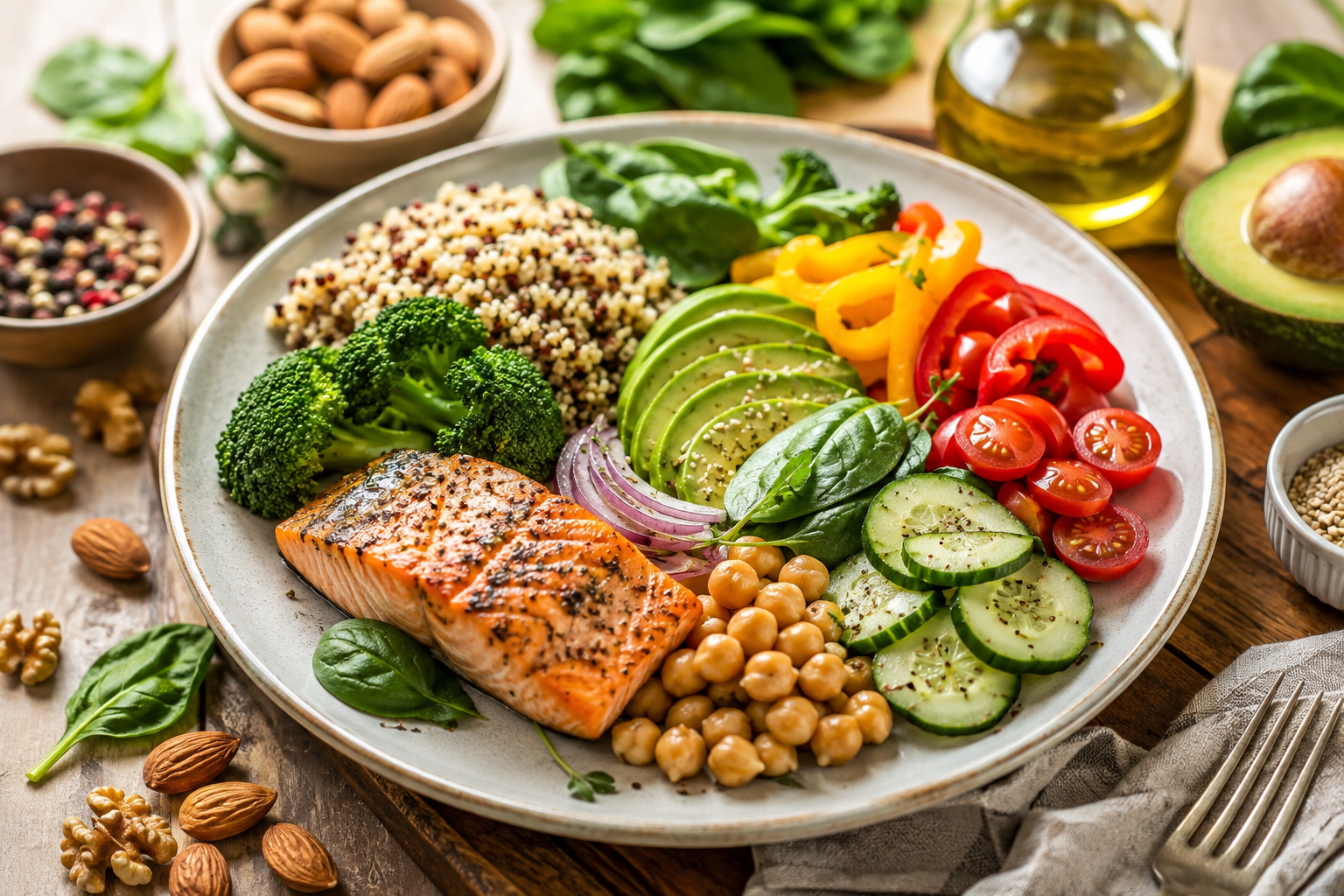
This guide will explain everything you need to know about blood sugar-balancing meals, including the best foods to eat, simple meal-building strategies, practical tips, and delicious recipe ideas that fit into everyday life. Whether your goal is improving your health, maintaining a healthy weight, or simply feeling your best throughout the day, these strategies can help you create meals that nourish your body without unnecessary stress.
What Are Blood Sugar Balancing Meals?
Blood sugar balancing meals are meals designed to help your body maintain steady blood glucose levels instead of causing large spikes and crashes. Rather than focusing on eliminating carbohydrates, these meals emphasize eating the right combination of nutrients that slow digestion and provide consistent energy.
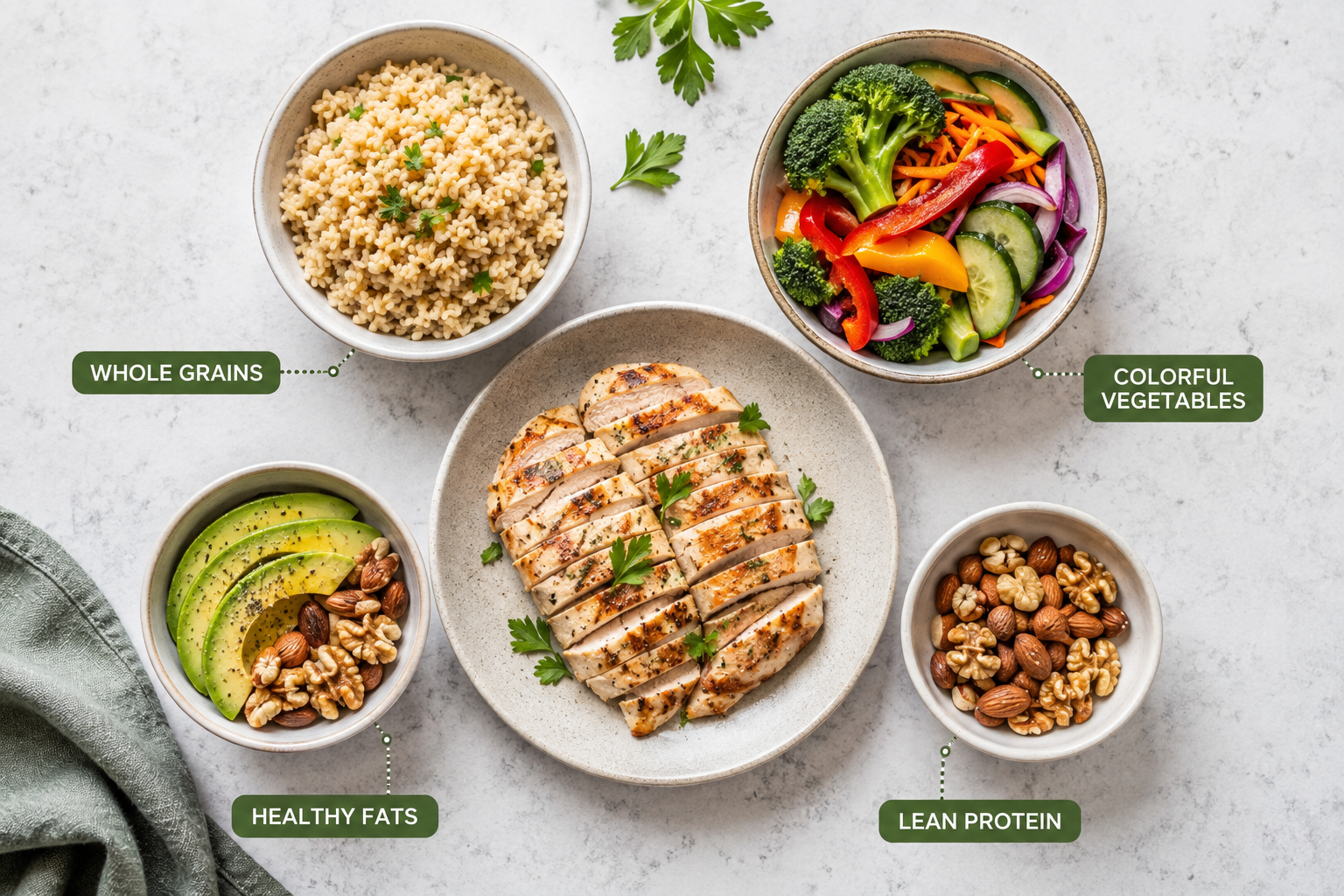
A balanced meal usually contains:
Lean protein
High-fiber carbohydrates
Healthy fats
Plenty of vegetables
Natural sources of vitamins and minerals
Each nutrient plays an important role in creating Blood Sugar Balancing Meals. Protein helps slow digestion and keeps your body feeling full. Fiber reduces the speed at which glucose enters your bloodstream. Healthy fats increase satisfaction and help stabilize energy, while vegetables add important nutrients with minimal impact on blood sugar.
For example, instead of eating a plain bowl of white rice, Blood Sugar Balancing Meals would include grilled chicken, roasted vegetables, avocado, and a moderate serving of brown rice. This combination provides protein, fiber, healthy fats, and complex carbohydrates that work together to support more stable blood sugar.
The goal of Blood Sugar Balancing Meals is balance—not perfection. Every meal is an opportunity to nourish your body with foods that promote steady energy instead of rapid fluctuations.
Why Blood Sugar Balance Matters?
Your body converts carbohydrates into glucose, which serves as its primary source of energy. After eating, glucose enters your bloodstream, prompting your pancreas to release insulin. Insulin helps move glucose from your blood into your cells, where it is used for energy.

Problems can arise when meals are high in refined carbohydrates or added sugars but low in protein, fiber, and healthy fats. These foods digest quickly, causing blood sugar to rise sharply. Your body then releases more insulin, which can lead to a rapid drop in blood sugar shortly afterward.
These highs and lows may contribute to:
Afternoon energy crashes
Increased hunger
Frequent sugar cravings
Difficulty concentrating
Mood changes
Overeating later in the day
By choosing blood sugar-balancing meals, you can reduce these dramatic swings and provide your body with a steadier supply of energy throughout the day.
Benefits of Blood Sugar Balancing Meals
Building meals that support stable blood sugar offers benefits far beyond glucose control. Many people notice positive changes within just a few weeks of eating more balanced meals.
More Consistent Energy
One of the biggest advantages is avoiding sudden energy crashes. Instead of feeling tired after meals, balanced eating helps maintain steady energy from morning until bedtime.
Reduced Cravings
Blood sugar spikes often trigger cravings for sweets and processed snacks. Balanced meals help keep hunger under control by increasing fullness and reducing rapid changes in glucose levels.
Better Weight Management
Meals rich in protein, fiber, and healthy fats promote satiety, making it easier to avoid unnecessary snacking and overeating.
Improved Focus
Your brain works on a steady supply of glucose. Stable blood sugar may help improve concentration, productivity, and mental clarity throughout the day.
Longer Lasting Fullness
Balanced meals digest more slowly than meals made primarily of refined carbohydrates, helping you stay satisfied for several hours.
Better Overall Nutrition
Many foods that support healthy blood sugar—such as vegetables, legumes, whole grains, nuts, seeds, and lean proteins—also provide essential vitamins, minerals, antioxidants, and fiber that benefit your entire body.
Understanding the Building Blocks of Blood Sugar Balancing Meals
Creating meals that support stable blood sugar becomes much easier once you understand the four essential components.
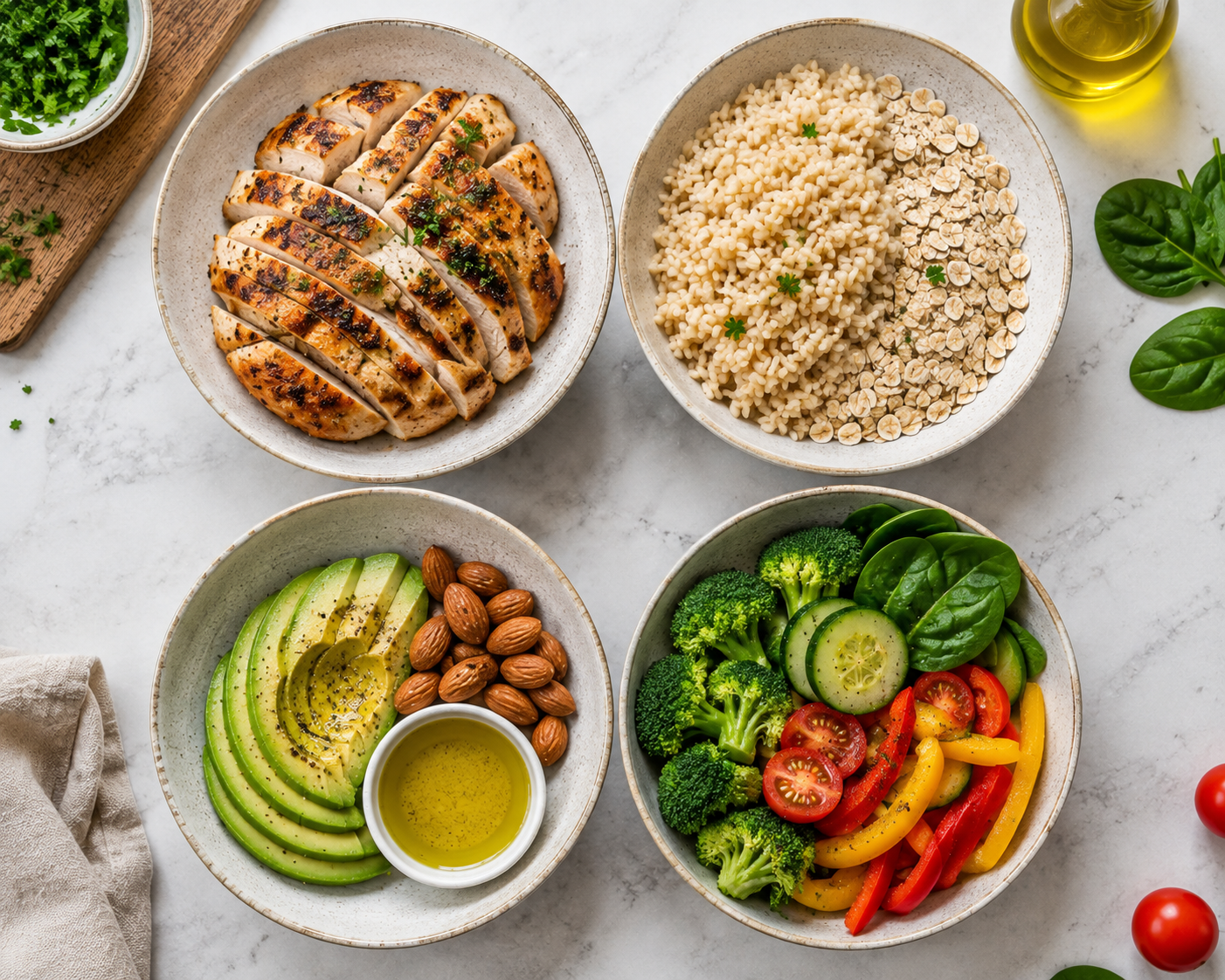
1. Lean Protein
Protein is one of the most important nutrients for balanced eating because it slows digestion and promotes fullness.
Good choices include:
Chicken breast
Turkey
Fish
Eggs
Greek yogurt
Cottage cheese
Tofu
Tempeh
Lentils
Beans
Edamame
The aim is to include a quality protein source in every meal whenever possible.
2. High-Fiber Carbohydrates
Carbohydrates are not the enemy. Your body needs them for energy. The key is choosing complex carbohydrates that digest more slowly due to their higher fiber content.
Better carbohydrate choices include:
Oats
Brown rice
Quinoa
Sweet potatoes
Beans
Lentils
Chickpeas
Whole grain bread
Whole grain pasta
Fruits with skin
Vegetables
Fiber helps slow glucose absorption while supporting digestive health.
3. Healthy Fats
Healthy fats help make meals more satisfying while slowing digestion.
Excellent sources include:
Avocados
Olive oil
Nuts
Seeds
Natural peanut butter
Almond butter
Fatty fish like salmon
Chia seeds
Flaxseeds
A small amount of healthy fat can make balanced meals more filling without requiring large portions.
4. Non-Starchy Vegetables
Vegetables add volume, nutrients, antioxidants, and fiber while having minimal impact on blood sugar.
Examples include:
Spinach
Broccoli
Cauliflower
Bell peppers
Zucchini
Cucumber
Tomatoes
Green beans
Mushrooms
Lettuce Cabbage
Brussels sprouts
Filling half your plate with vegetables is one of the easiest ways to improve the nutritional quality of your meals.
The Best Foods for Blood Sugar Balancing Meals
Choosing the right ingredients is one of the easiest ways to create blood sugar balancing meals that keep you feeling energized and satisfied. Instead of focusing on cutting out entire food groups, aim to include foods that digest slowly, provide steady energy, and deliver plenty of nutrients.
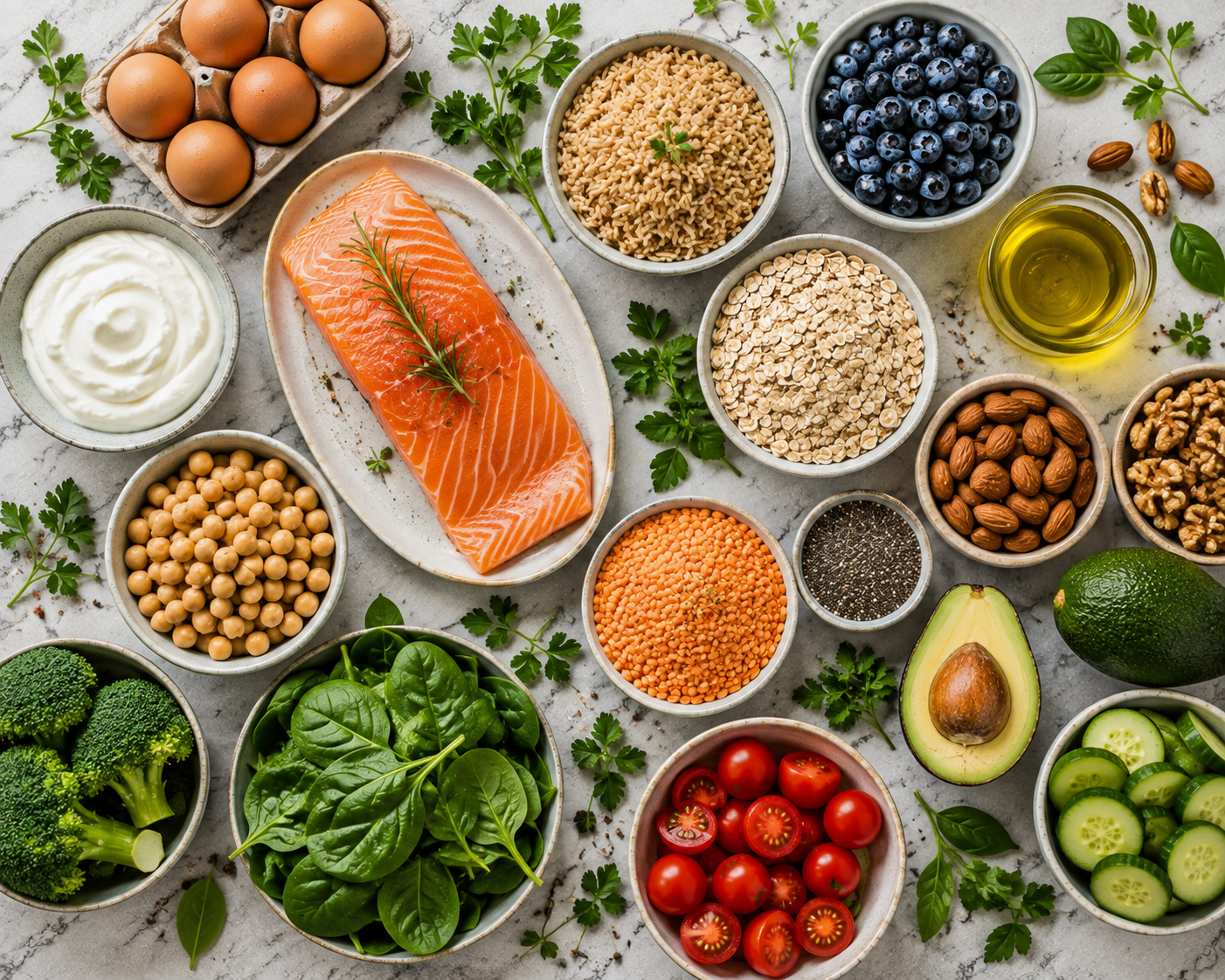
Below are some of the best foods to keep in your kitchen.
Lean Protein Foods That Help Stabilize Blood Sugar
Protein is an essential part of every balanced meal because it slows digestion and helps prevent rapid increases in blood glucose. It also supports muscle health, keeps you feeling full longer, and reduces the urge to snack between meals.
Excellent protein choices include:
Skinless chicken breast
Turkey breast
Lean beef
Salmon
Tuna
Sardines
Shrimp
Eggs
Greek yogurt
Cottage cheese
Tofu
Tempeh
Edamame
Lentils
Chickpeas
Black beans
Kidney beans
Try to include a serving of protein every time you eat. Even a simple breakfast becomes more balanced when you add eggs or Greek yogurt instead of relying only on cereal or toast.
High-Fiber Carbohydrates for Long-Lasting Energy
Carbohydrates are an essential source of energy for your body, but not all carbs affect blood sugar in the same way. Highly processed carbohydrates digest quickly, while fiber-rich carbohydrates release glucose more gradually, making them an important part of Blood Sugar Balancing Meals.
Healthy carbohydrate options include:
Oats
Brown rice
Quinoa
Barley
Sweet potatoes
Whole wheat bread
Whole grain tortillas
Whole wheat pasta
Lentils
Beans
Chickpeas
Apples
Pears
Berries
Oranges
Peaches
Foods rich in fiber help you stay full longer while supporting better digestion and more stable energy throughout the day.
Healthy Fats That Complete Balanced Meals
Healthy fats are another important component of blood sugar balancing meals. They slow digestion, improve satisfaction after meals, and help your body absorb fat-soluble vitamins.
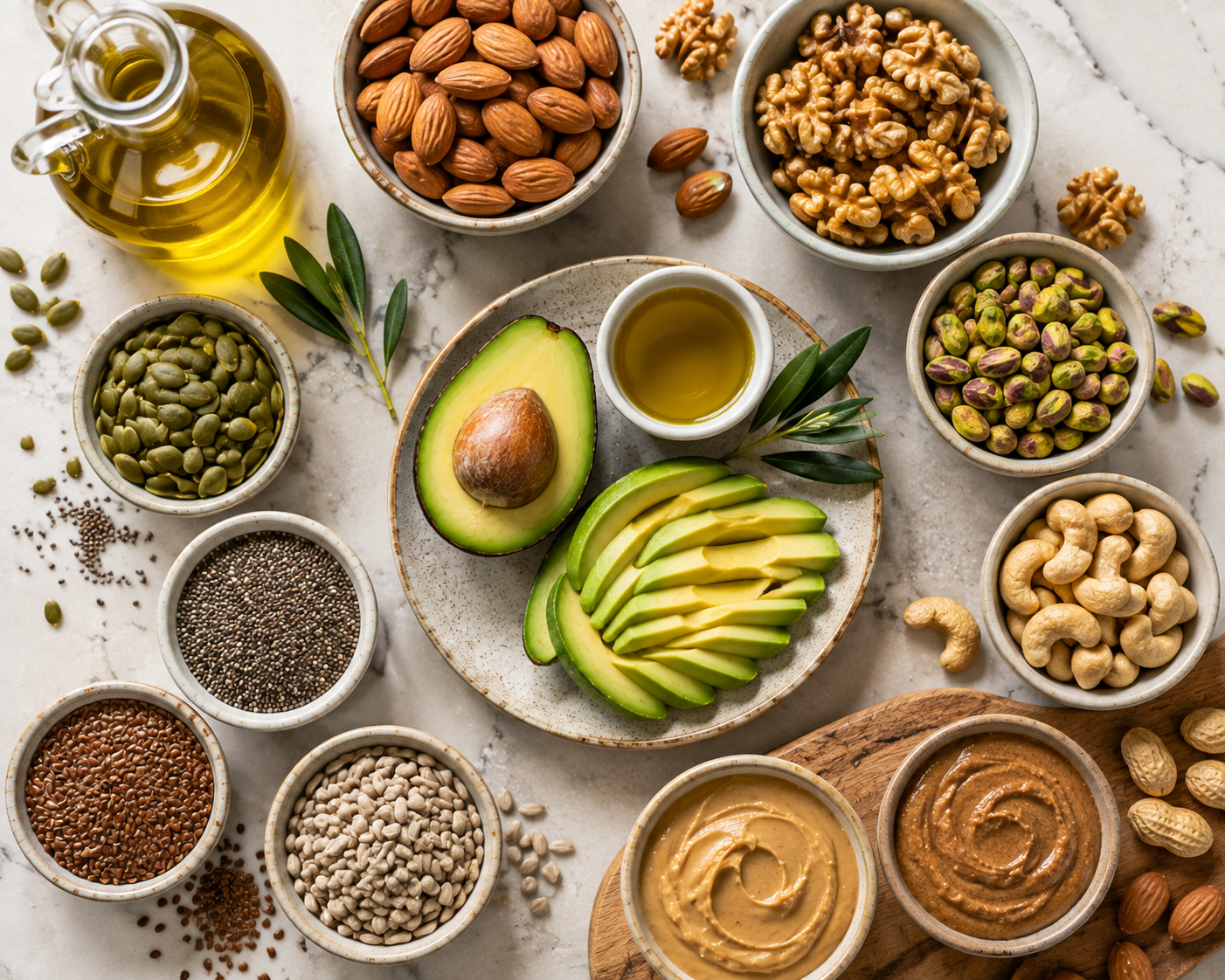
Nutritious fat sources include:
Avocados
Olive oil
Almonds
Walnuts
Pistachios
Cashews
Pumpkin seeds
Chia seeds
Flaxseeds
Sunflower seeds
Natural peanut butter
Almond butter
You do not need large amounts. Even a small handful of nuts or a few slices of avocado can make your meal more satisfying.
Non-Starchy Vegetables to Fill Half Your Plate
Vegetables provide fiber, vitamins, minerals, and antioxidants while adding very few calories. Since most non-starchy vegetables have a minimal impact on blood sugar, they are an excellent addition to Blood Sugar Balancing Meals.
Some of the best choices include:
Broccoli
Cauliflower
Spinach
Kale
Lettuce
Bell peppers
Cucumbers
Tomatoes
Green beans
Mushrooms
Zucchini
Asparagus
Brussels sprouts
Cabbage
Aim to fill about half of your plate with colorful vegetables whenever possible.
Fruits That Fit Into Blood Sugar Balancing Meals
Many people avoid fruit because they worry about natural sugars. However, whole fruits contain fiber, vitamins, antioxidants, and water, making them much healthier than sugary snacks or desserts.
Some of the best fruit options include:
Blueberries
Strawberries
Raspberries
Blackberries
Apples
Pears
Kiwi
Oranges
Grapefruit
Peaches
Cherries
Plums
Pair fruit with protein or healthy fat for even better blood sugar support. For example, enjoy an apple with peanut butter or berries with Greek yogurt.
Foods to Limit for Better Blood Sugar Control
No food has to be completely off-limits, but some foods are more likely to cause rapid blood sugar spikes when eaten frequently or in large portions.
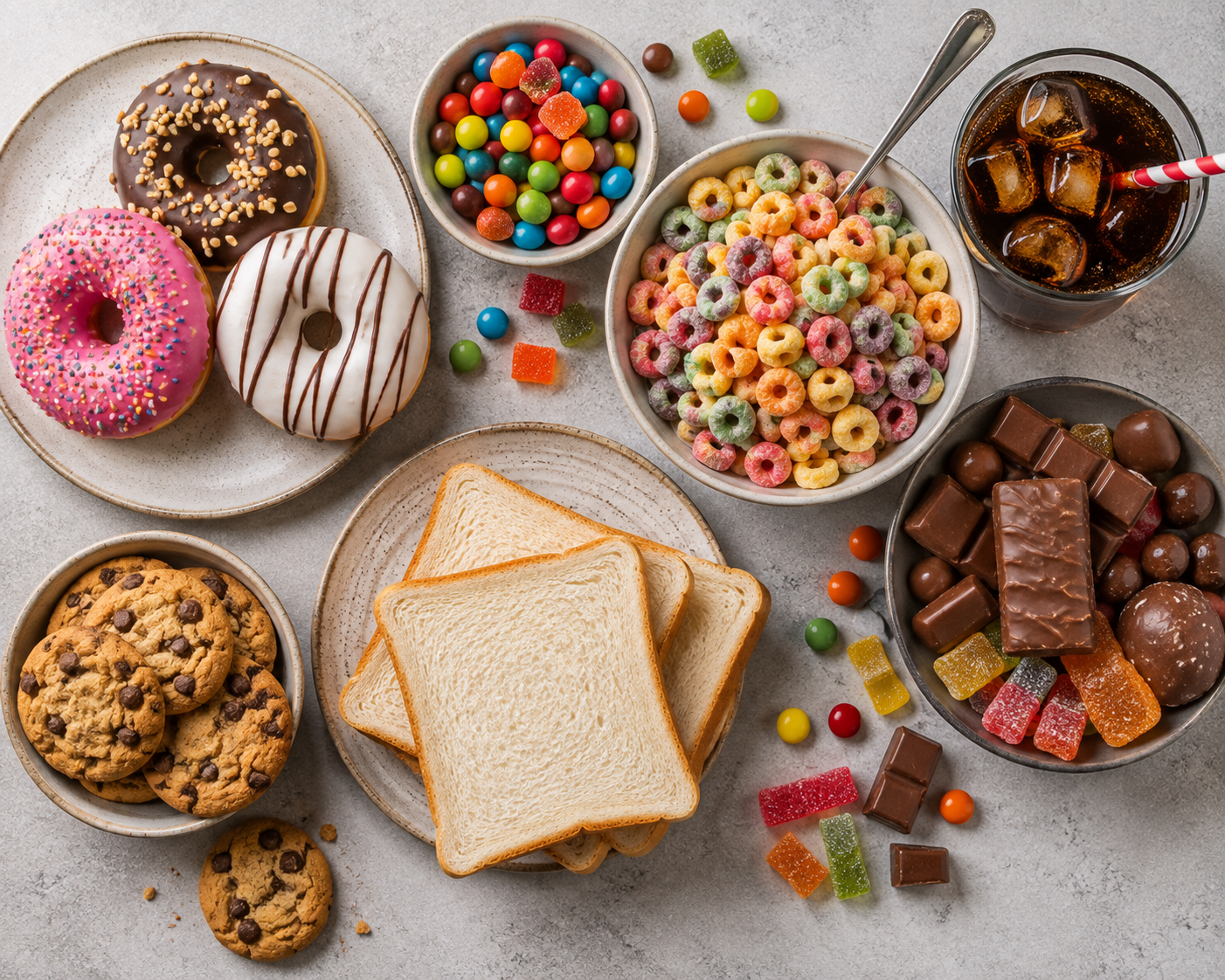
Try to limit:
Sugary soft drinks
Candy
Pastries
Doughnuts
Cookies
Cakes
White bread
White rice
Sugary breakfast cereals
Chips
Sweetened coffee drinks
Ice cream
Highly processed snack foods
If you enjoy these foods occasionally, try pairing them with protein or eating them after a balanced meal instead of on an empty stomach.
How to Build the Perfect Blood Sugar Balancing Plate
You don’t have to count every gram of carbohydrates to eat well. A simple plate method makes meal planning much easier.
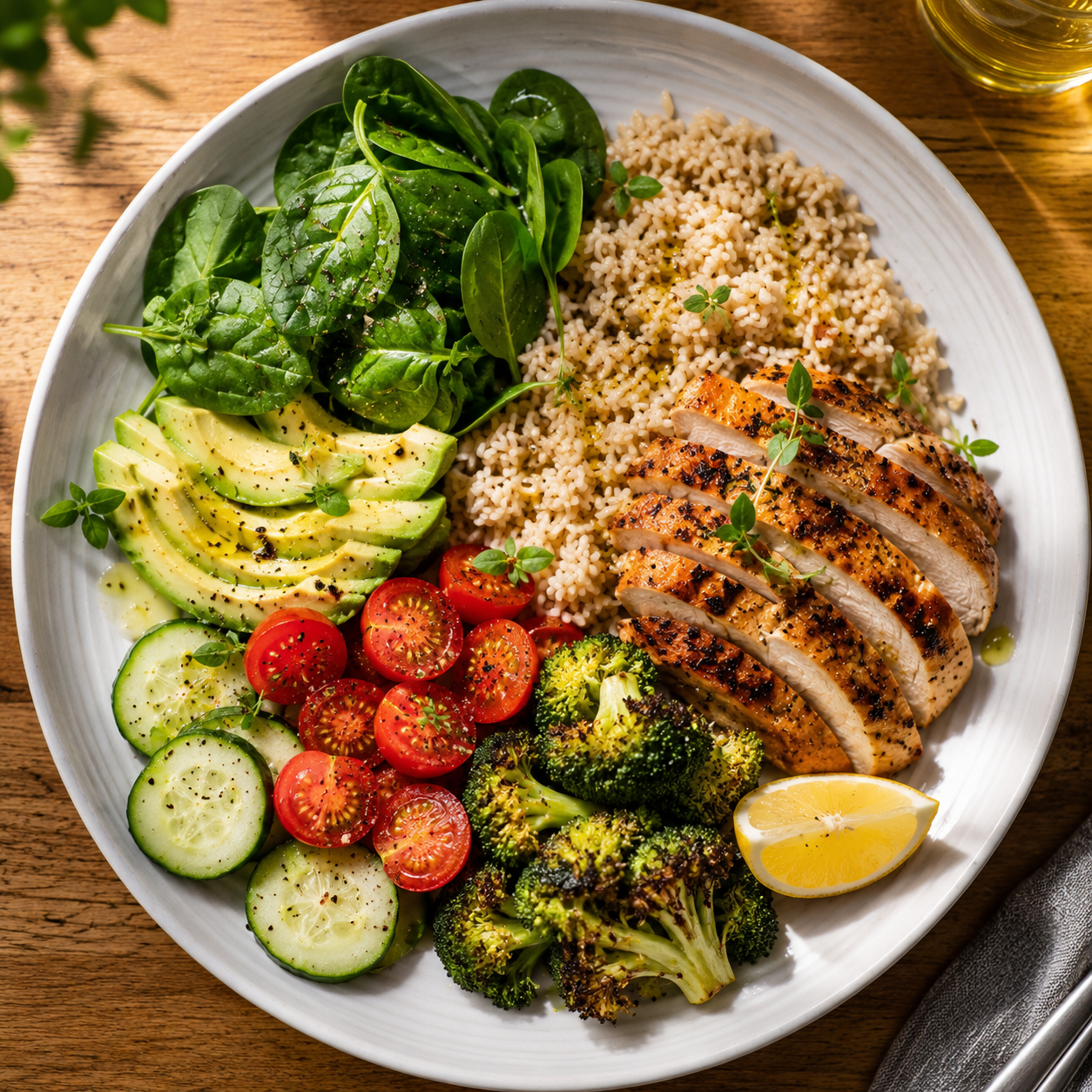
A balanced plate looks like this:
Half the Plate
Non-starchy vegetables such as broccoli, spinach, peppers, or salad.
One-Quarter of the Plate
Lean protein like grilled chicken, fish, turkey, tofu, eggs, or beans.
One-Quarter of the Plate
High-fiber carbohydrates like brown rice, quinoa, sweet potatoes, or whole grains.
Healthy Fat
Add avocado, olive oil, nuts, seeds, or a light homemade dressing.
This combination provides protein, fiber, healthy fats, and complex carbohydrates that work together to support stable blood sugar while keeping meals satisfying.
Portion Control Still Matters
Even healthy foods can contribute to blood sugar spikes if portions become too large. Paying attention to serving sizes helps create balanced meals without feeling restricted.
Helpful portion guidelines include:
Protein: about the size of your palm
Whole grains: about one cupped hand
Healthy fats: about the size of your thumb
Vegetables: at least two handfuls
These simple visual cues make it easier to build balanced meals without measuring every ingredient.
Smart Cooking Methods for Blood Sugar-Friendly Meals
The way you prepare food can influence its nutritional value. Choosing healthier cooking methods helps preserve nutrients while limiting unnecessary added fats and sugars.
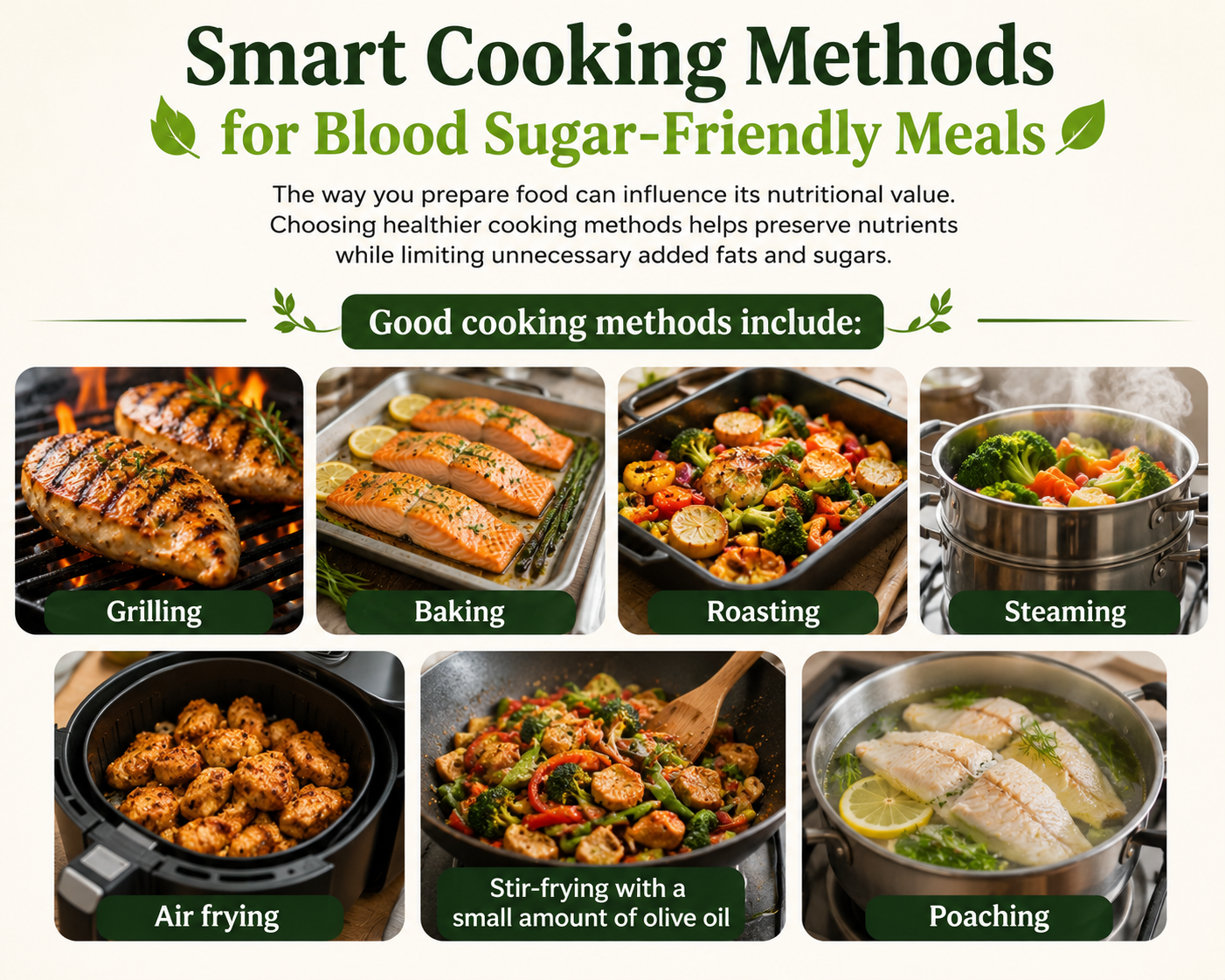
Good cooking methods include:
Grilling
Baking
Roasting
Steaming
Air frying
Stir-frying with a small amount of olive oil
Poaching
Try to reduce deep-fried foods and heavy creamy sauces, which can add extra calories without improving nutrition.
Easy Ingredient Swaps for Better Blood Sugar Balance
Making small changes to everyday meals can have a big impact over time.
Instead of this Try this instead
White bread Whole grain bread
White rice Brown rice or quinoa
Sugary cereal Oatmeal with nuts and berries
Flavored yogurt Plain Greek yogurt with fresh fruit
Potato chips Roasted chickpeas or mixed nuts
Sugary soda Sparkling water with lemon
Candy Apple slices with peanut butter
Regular pasta Whole wheat or legume-based pasta
These simple swaps help increase fiber and protein while reducing the likelihood of sharp blood sugar spikes.
Blood Sugar Balancing Meal Ideas for Every Time of Day
One of the easiest ways to maintain steady energy is to plan meals that include protein, fiber, healthy fats, and complex carbohydrates. Instead of relying on processed convenience foods, simple homemade meals can provide the nutrients your body needs while helping support healthy blood sugar levels.
The following blood sugar balancing meals are easy to prepare, family-friendly, and suitable for busy lifestyles.
Blood Sugar Balancing Meals Ideas for Breakfast
Breakfast sets the tone for the rest of the day. A meal that includes protein and fiber can help reduce mid-morning hunger and prevent energy crashes.
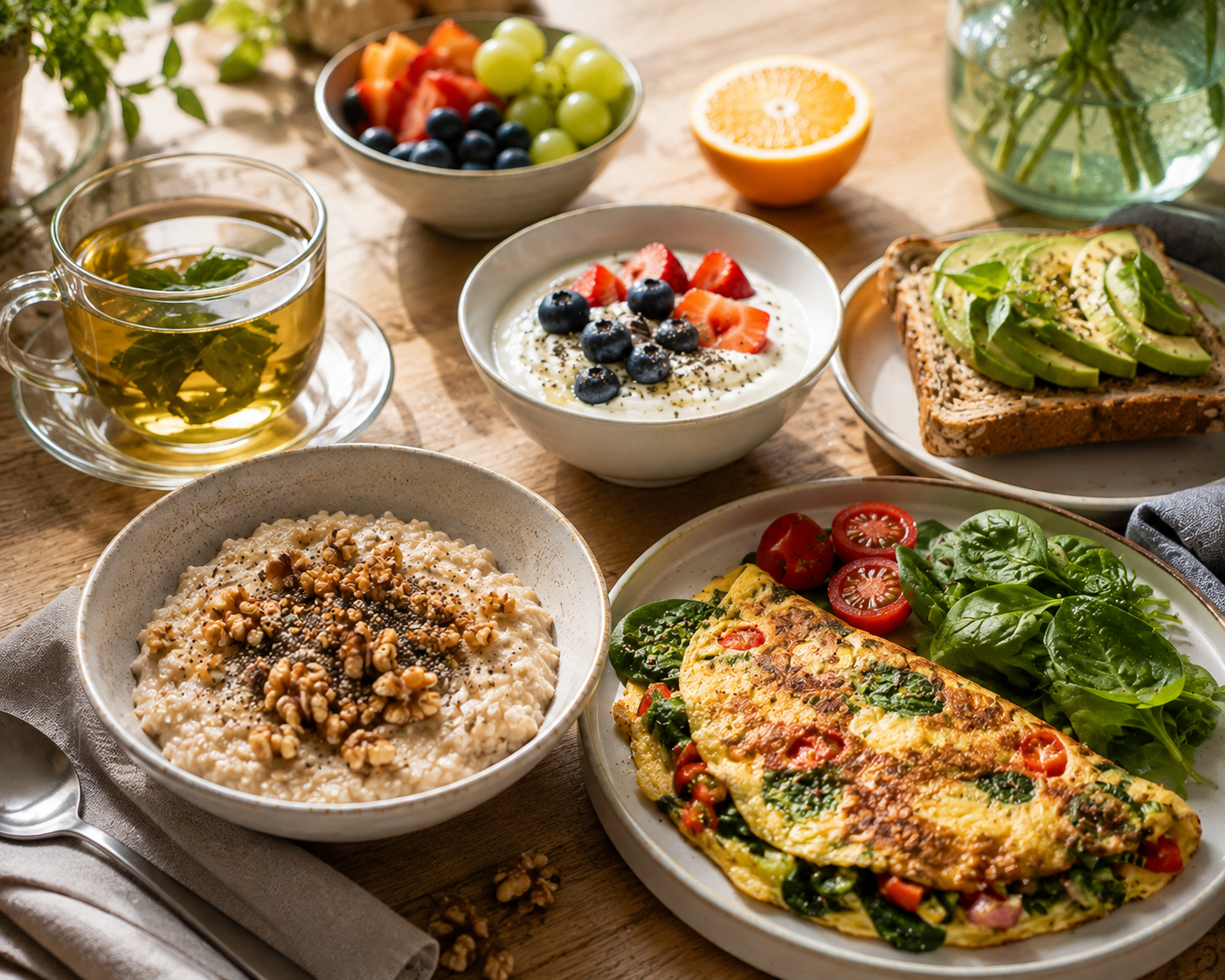
1. Greek Yogurt Berry Bowl
Ingredients:
Plain Greek yogurt
Fresh blueberries
Strawberries
Chia seeds
Sliced almonds
Cinnamon
Why it works:
Greek yogurt provides protein, berries add fiber and antioxidants, while chia seeds and almonds supply healthy fats for longer-lasting fullness.
2. Vegetable Omelet with Whole Grain Toast
Ingredients:
Eggs
Spinach
Mushrooms
Bell peppers
Tomatoes
Whole grain toast
Avocado slices
Why it works:
Eggs are packed with protein, vegetables increase fiber, and whole grain toast provides slow-digesting carbohydrates.
3. Protein Oatmeal
Ingredients:
Rolled oats
Milk or unsweetened almond milk
Chia seeds
Ground flaxseed
Walnuts
Fresh berries
Why it works:
Oats are rich in soluble fiber, while seeds and walnuts add healthy fats that help slow digestion.
4. Cottage Cheese Breakfast Bowl
Ingredients:
Cottage cheese
Apple slices
Cinnamon
Pumpkin seeds
Chopped walnuts
Why it works:
This breakfast combines protein, fiber, and healthy fats in one simple bowl.
5. Peanut Butter Banana Toast
Ingredients:
Whole grain bread
Natural peanut butter
Banana slices
Chia seeds
Why it works:
The protein and healthy fats from peanut butter help balance the natural carbohydrates from the banana and whole grain bread.
Blood Sugar Balancing Meals Ideas for Lunch
Lunch should provide enough energy to keep you productive without leaving you feeling sleepy afterward.
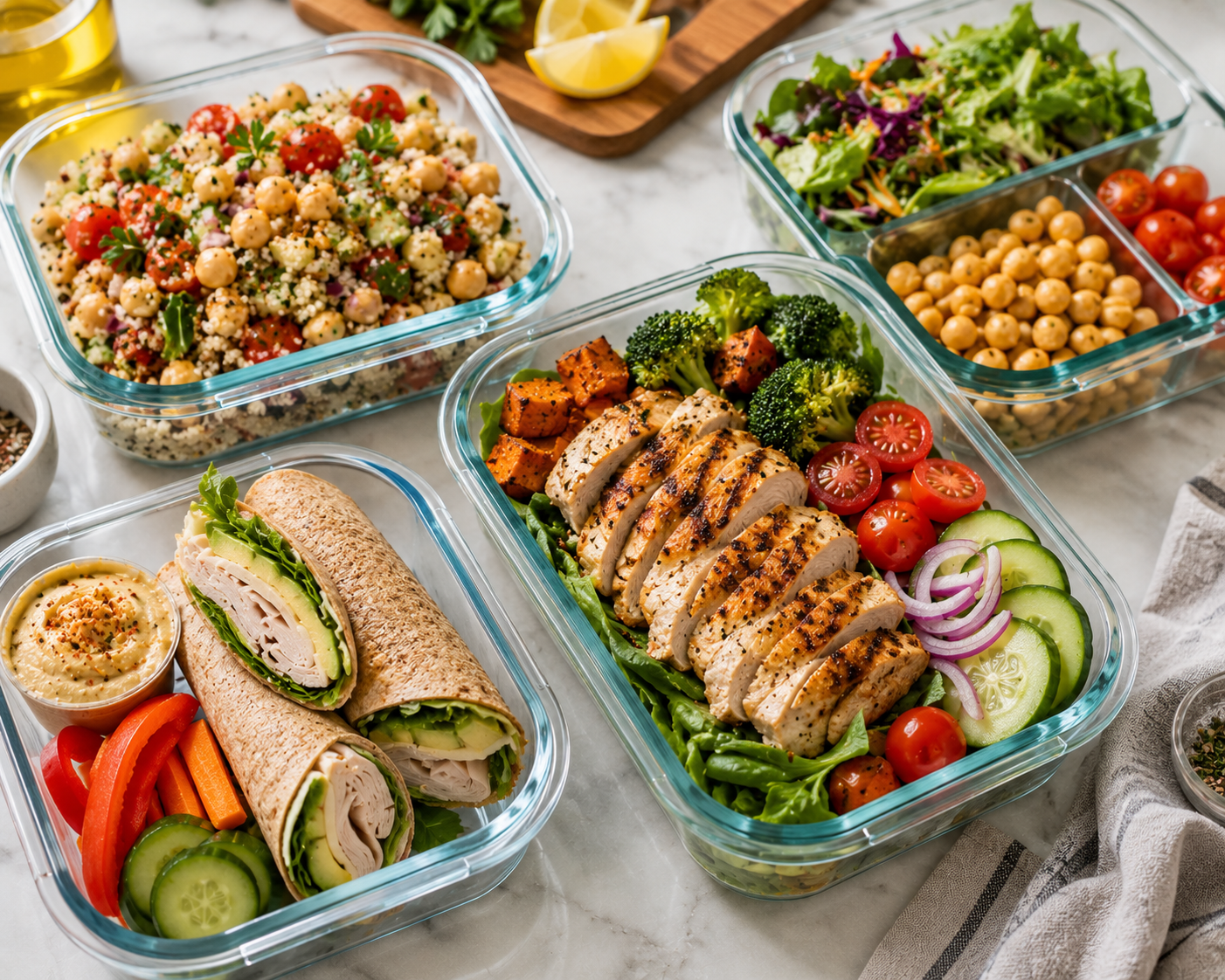
1. Grilled Chicken Power Bowl
Ingredients:
Grilled chicken breast
Brown rice
Roasted broccoli
Cucumbers
Cherry tomatoes
Avocado
Olive oil dressing
Why it works:
This bowl contains lean protein, fiber-rich grains, vegetables, and healthy fats for balanced nutrition.
2. Turkey and Avocado Wrap
Ingredients:
Whole wheat tortilla
Sliced turkey
Lettuce
Tomatoes
Avocado
Hummus
Why it works:
Whole grains and lean protein work together to provide lasting energy while avocado adds satisfying healthy fats.
3. Quinoa Chickpea Salad
Ingredients:
Quinoa
Chickpeas
Cucumbers
Tomatoes
Red onion
Parsley
Olive oil
Lemon juice
Why it works:
Quinoa and chickpeas provide both protein and fiber, making this a satisfying plant-based meal.
4. Tuna Salad Plate
Ingredients:
Tuna
Mixed greens
Boiled eggs
Cucumbers
Bell peppers
Olive oil vinaigrette
Why it works:
This meal is high in protein while remaining light and refreshing.
5. Lentil Vegetable Soup
Ingredients:
Lentils
Carrots
Celery
Tomatoes
Spinach
Onion
Garlic
Serve with:
Whole grain bread
Why it works:
Lentils are naturally rich in both protein and fiber, making this meal filling and nutritious.
Blood Sugar Balancing Meals Ideas for Dinner
Dinner is the perfect opportunity to include a variety of vegetables alongside quality protein.
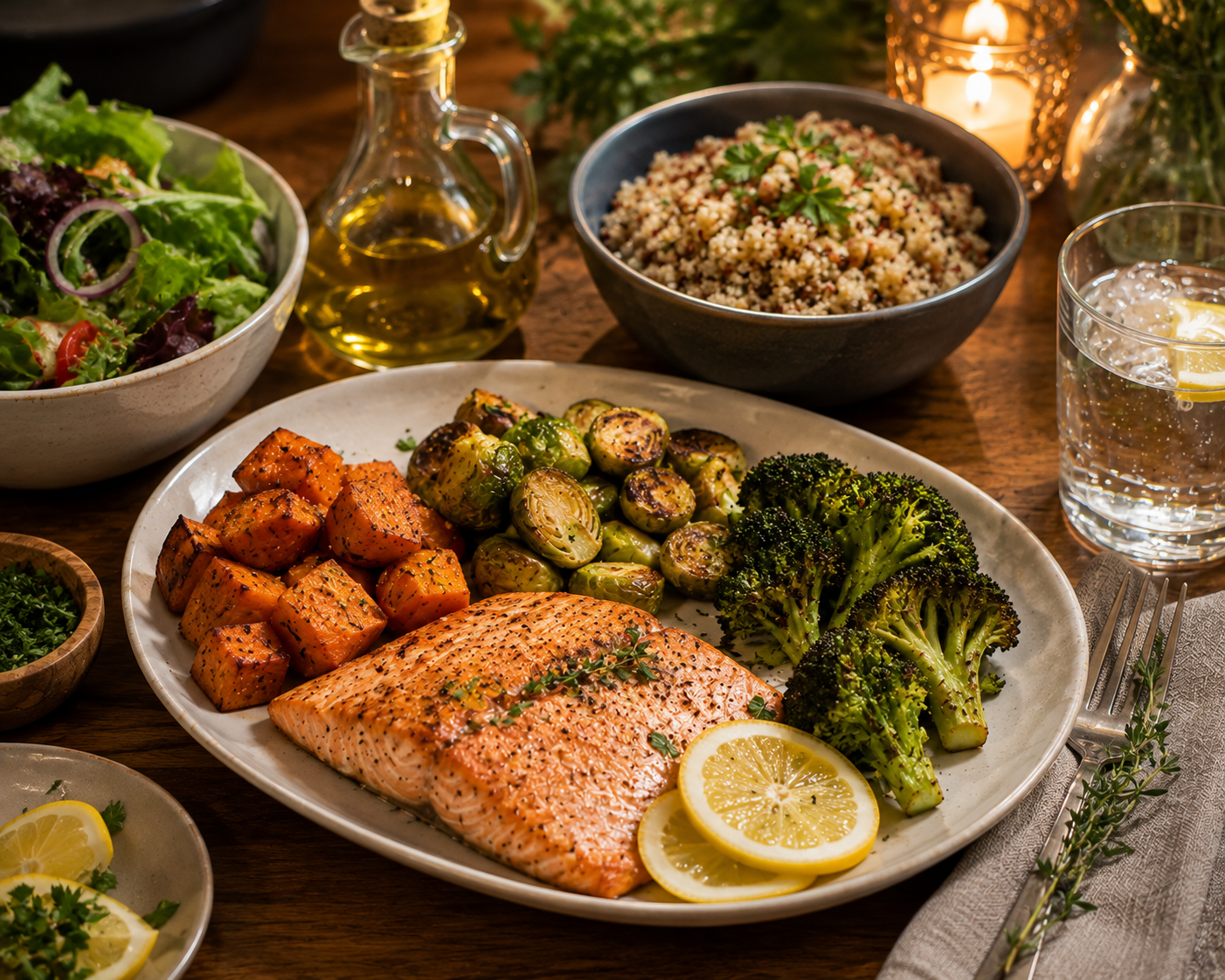
1. Baked Salmon with Roasted Vegetables
Ingredients:
Salmon
Broccoli
Brussels sprouts
Sweet potato
Olive oil
Garlic
Herbs
Why it works:
Salmon provides heart-healthy omega-3 fats while vegetables and sweet potatoes contribute fiber and essential nutrients.
2. Grilled Chicken with Quinoa
Ingredients:
Grilled chicken
Quinoa
Steamed green beans
Mixed salad
Why it works:
Lean protein paired with fiber-rich grains creates a balanced evening meal.
3. Beef and Vegetable Stir-Fry
Ingredients:
Lean beef
Broccoli
Bell peppers
Mushrooms
Snap peas
Brown rice
Why it works:
The vegetables add fiber while lean beef provides protein and important minerals like iron.
4. Tofu Vegetable Stir-Fry
Ingredients:
Firm tofu
Broccoli
Carrots
Snow peas
Bell peppers
Brown rice
Why it works:
Tofu offers plant-based protein while colorful vegetables increase fiber and nutrients.
5. Turkey Meatballs with Whole Wheat Pasta
Ingredients:
Lean turkey meatballs
Whole wheat pasta
Homemade tomato sauce
Spinach
Parmesan cheese
Why it works:
Whole wheat pasta digests more slowly than refined pasta, helping support more stable blood sugar levels.
Healthy Blood Sugar Balancing Snacks
Healthy snacks can help prevent excessive hunger between meals. The best snacks combine protein, healthy fats, and fiber.
Good snack ideas include:
Apple slices with peanut butter
Greek yogurt with berries
Cottage cheese with cucumber
Mixed nuts
Hard-boiled eggs
Hummus with carrots
Celery with almond butter
Roasted chickpeas
Cheese with whole grain crackers
Pear with walnuts
These snacks are satisfying without relying on added sugars.
Drinks That Support Healthy Blood Sugar
What you drink matters just as much as what you eat. Sugary beverages can cause rapid spikes in blood glucose, while healthier options keep you hydrated without unnecessary added sugar.
Better drink choices include:
Water
Sparkling water with lemon
Unsweetened iced tea
Green tea
Black coffee (without added sugar)
Herbal tea
Unsweetened almond milk
Low-fat milk
Try to limit sugary sodas, energy drinks, sweetened fruit juices, and flavored coffee beverages, as they can contain large amounts of added sugar.
One-Day Blood Sugar Balancing Meals Plan
If you’re unsure how to put everything together, here’s an example of a simple daily meal plan.
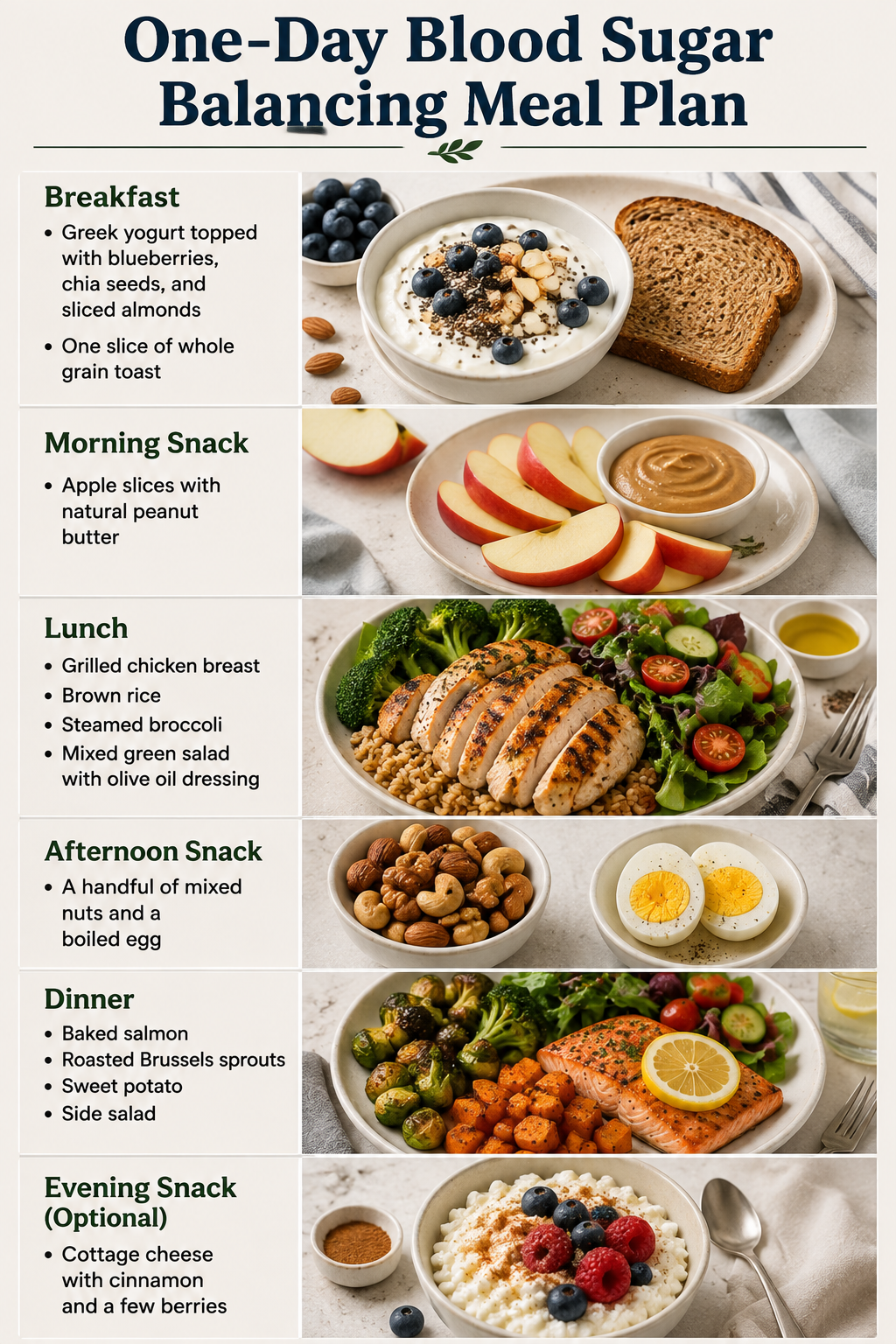
Breakfast
Greek yogurt topped with blueberries, chia seeds, and sliced almonds
One slice of whole grain toast
Morning Snack
Apple slices with natural peanut butter
Lunch
Grilled chicken breast
Brown rice
Steamed broccoli
Mixed green salad with olive oil dressing
Afternoon Snack
A handful of mixed nuts and a boiled egg
Dinner
Baked salmon
Roasted Brussels sprouts
Sweet potato
Side salad
Evening Snack (Optional)
Cottage cheese with cinnamon and a few berries
This meal plan includes protein, fiber, healthy fats, and complex carbohydrates throughout the day, helping to support steady energy and balanced blood sugar.
Frequently Asked Questions About Blood Sugar Balancing Meals
Many people have questions when they first start building blood sugar balancing meals. The good news is that balanced eating does not require perfection. Small, consistent changes can make a meaningful difference over time.
What is the best meal for Blood Sugar Balancing Meals?
There is no single perfect meal. The best meal is one that combines:
Lean protein
High-fiber carbohydrates
Healthy fats
Non-starchy vegetables
For example, grilled chicken with roasted vegetables, quinoa, and avocado is an excellent blood sugar balancing meal because it contains all the key nutrients needed for steady energy.
Can I still eat carbohydrates?
Yes. Carbohydrates are an important source of energy, and completely avoiding them is unnecessary for most people.
Instead of eliminating carbs, focus on choosing nutrient-dense options such as:
Oats
Brown rice
Quinoa
Sweet potatoes
Beans
Lentils
Whole grain bread
Fruits
Vegetables
Pairing carbohydrates with protein and healthy fats can help slow digestion and reduce rapid blood sugar spikes.
Are fruits bad for blood sugar?
No. Whole fruits provide fiber, vitamins, minerals, and antioxidants that support overall health and make an excellent addition to Blood Sugar Balancing Meals.
Fruits such as berries, apples, pears, oranges, peaches, and kiwi can fit into a balanced eating pattern. Pairing fruit with protein or healthy fats, like Greek yogurt or nuts, may help create a more balanced snack.
How often should I eat?
There is no universal eating schedule that works for everyone. Some people prefer three meals per day, while others feel better with meals and planned snacks.
The most important factor is avoiding long periods of extreme hunger that may lead to overeating or poor food choices later.
Do blood sugar balancing meals help with weight management?
They can. Meals that contain protein, fiber, and healthy fats tend to be more filling, which may reduce cravings and unnecessary snacking.
Because balanced meals promote fullness and provide steady energy, many people find it easier to maintain healthy eating habits over time.
Are blood sugar balancing meals only for people with diabetes?
No. Anyone can benefit from balanced meals.
Stable energy, improved fullness, better concentration, and healthier eating habits are advantages that can support overall wellness regardless of whether someone has diabetes.
Can I eat dessert in Blood Sugar Balancing Meals?
Absolutely. Healthy eating does not require giving up your favorite foods forever, even when following Blood Sugar Balancing Meals.
Enjoying dessert occasionally as part of an overall balanced eating pattern can still fit into a healthy lifestyle. Portion size and frequency are often more important than complete restriction.
What drinks are best for blood sugar balance?
Some of the best choices include:
Water
Sparkling water
Herbal tea
Green tea
Unsweetened iced tea
Black coffee
Low-fat milk
Unsweetened plant-based milk
Limiting sugary drinks can help reduce unnecessary spikes in blood sugar.
A Simple Formula for Building Blood Sugar Balancing Meals
If remembering complicated nutrition rules feels overwhelming, keep this easy formula in mind:
Protein + Fiber + Healthy Fat + Vegetables = Balanced Meal
Examples:
Eggs + whole grain toast + avocado + spinach
Chicken + brown rice + broccoli + olive oil
Greek yogurt + berries + almonds + chia seeds
Salmon + sweet potato + green beans + salad
Lentils + quinoa + roasted vegetables + tahini
This simple approach can help you create satisfying meals without counting every calorie or tracking every nutrient.
The Importance of Consistency Over Perfection
One of the biggest mistakes people make is believing every meal has to be perfect when creating Blood Sugar Balancing Meals.
Healthy eating is not about perfection. It is about building habits you can maintain for months and years.
If one meal is less balanced than you planned, simply return to your normal routine at the next meal. Long-term consistency matters far more than occasional indulgences when following Blood Sugar Balancing Meals.
Small improvements repeated consistently often lead to lasting results.
Examples of simple changes include:
Adding protein to breakfast
Replacing refined grains with whole grains
Eating more vegetables
Drinking water instead of sugary beverages
Planning snacks ahead of time
Including healthy fats with meals
These habits may seem small individually, but together they can significantly improve your overall eating pattern.
Final Thoughts on Blood Sugar Balancing Meals
Creating blood sugar balancing meals does not require strict diets, complicated rules, or expensive ingredients. In most cases, it simply means building meals around whole, nutrient-dense foods that provide protein, fiber, healthy fats, and plenty of vegetables.
Balanced meals can help support steady energy, reduce cravings, improve fullness, and make healthy eating feel more sustainable. Rather than chasing quick fixes, focusing on consistent, balanced nutrition can create habits that benefit your health for years to come.
Remember that every Blood Sugar Balancing Meals is a new opportunity to nourish your body. You do not need to change everything overnight. Start with one small improvement, practice it consistently, and gradually build from there.
Whether your goal is better energy, improved wellness, weight management, or simply feeling your best each day, blood sugar balancing meals offer a practical and realistic approach to healthier eating.
Healthy eating is not about restriction—it is about balance, nourishment, and creating habits that truly support your life.
Conclusion
Blood sugar balancing meals are built on a simple foundation: protein, fiber, healthy fats, and nutrient-rich carbohydrates. By choosing whole foods and creating balanced plates, you can support more stable energy levels, reduce cravings, stay fuller for longer, and improve your overall health. Small daily choices can lead to meaningful long-term benefits, making balanced eating one of the most effective and sustainable habits you can develop.